Our Top Picks


What's inside
As an Amazon Associate I earn from qualifying purchases. This post may contain affiliate links at no extra cost to you.
An ice fishing fish finder answers one question: what is happening in the water directly below the hole, right now? How you want that answer displayed is the real purchase decision. Flashers show a spinning ring or bar of light that reacts instantly to a jig, a fish, and the bottom. LCD sonar units draw a scrolling picture with a screen, and some add GPS and mapping. Anglers who grew up on one style often cannot stand the other, so pick the display before you pick a brand.
This guide is for hardwater anglers choosing a portable setup in the 2026 season, from a flasher that runs off a compact battery to a CHIRP sonar kit with a transducer included. Seven models are compared based only on their listing titles: Vexilar, Garmin, and Humminbird, which together cover most of what a typical ice angler considers. Confirm bundle contents and battery details on the product page, since packages differ.
Quick Picks
As an Amazon Associate we earn from qualifying purchases at no extra cost to you.



| Product | Best for | Key spec from the title |
|---|---|---|
| Vexilar FL-8SE 19 Ice-Ducer | Classic flasher fans | Battery powered, LED display, 19 degree Ice-Ducer |
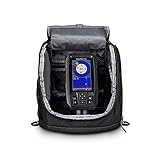
| Garmin Striker 4 Portable Kit | First-time sonar buyers | 3.5 inch display, portable kit |
| Humminbird HELIX 5 CHIRP G3 Ice Sonar System | Larger screen sonar users | CHIRP sonar, ice system |
| Vexilar FL-8se Genz Pack | Complete flasher packages | 19 degree ice flasher, Genz Pack bundle |
| Garmin Striker Plus 4 Ice Fishing Bundle | Out-of-the-box ice sonar | Portable Striker Plus 4, Dual Beam-IF transducer |
| Humminbird ICE HELIX 5 G3 GPS | Anglers who want mapping | GPS, Dual Spectrum CHIRP sonar |
| Humminbird ICE 55 Flasher | Flasher style with color display | 6-color fiber optic display, transducer included |
How to Choose
Flasher or LCD sonar
A flasher gives a fast, intuitive read on your lure and on fish approaching it, which many anglers prefer when jigging for panfish or walleye. An LCD sonar shows history on a screen, so you can see what a fish did a moment ago and read the bottom structure. If you plan to fish many different lakes, the screen’s wider view helps. If you spend hours watching a single hole, the flasher’s immediacy is hard to beat. Neither style is wrong, and plenty of anglers own one of each and choose based on the species they are chasing that day.
Transducer cone angle and sonar type
Narrow cone angles, such as the 19 degree transducer named in the Vexilar listings, concentrate on the area directly below, which helps with precision. Wider cones cover more water but can blur small targets. CHIRP sonar transmits across a range of frequencies and generally gives clearer separation between targets than traditional single frequency. Dual beam transducers, like the one in the Garmin bundle title, let you switch between narrow and wide views.
Power and portability
Ice fishing is cold work, and cold shortens battery life. Check the type of battery the system uses and whether a carrying case or a portable kit is included. A pack or kit that bundles the transducer, power supply, and case saves you from piecing together a system. Budget units sometimes leave out the case or the transducer entirely, so read the contents list. Also consider how you will carry it. A unit that lives in a padded case or a sled bag survives the bumps of a long walk onto the ice far better than a loose one.
Screen size, color, and extras
A larger screen helps in daylight glare, and a color display separates fish from bottom more easily. A 3.5 inch screen is a compact choice that fits a bucket lid. GPS adds waypoint marking, which matters if you return to the same spots, but it is not essential for a pop-up shelter angler fishing one hole. Ignore extras you will not use and put the budget into the transducer and display. Think about glare too: ice and snow reflect a lot of light, so a shade or a hooded shanty makes any screen easier to read than the spec sheet suggests.
The 7 Best Options
Vexilar FL-8SE 19 Ice-Ducer
The FL-8SE is a battery powered flasher with a surface mount and an LED display, packaged with a 19 degree Ice-Ducer. It is a long-standing format among serious ice anglers who prefer a clear, instant readout that does not need menus. For anglers who fish in gloves, a simple layout is a real advantage, since there is little to navigate on a cold, windy morning.
- Strength: the flasher style gives an immediate read of jig depth and fish movement.
- Strength: battery power and a compact footprint suit portable use.
- Trade-off: there is no scrolling screen, so there is no history of what passed below the hole.
Skip it if you want sonar history, GPS, or a color screen.
Garmin Striker 4 with Portable Kit
The Striker 4 comes with a 3.5 inch display in a portable kit, making it a straightforward entry point to LCD sonar. A kit format suggests the pieces needed for ice use are grouped together, which is helpful for newcomers. It is also the kind of unit that makes sense as a second, backup finder for a spare sled or a friend’s trip.
- Strength: the compact 3.5 inch screen fits easily on a bucket or sled.
- Strength: the portable kit makes setup less of a puzzle.
- Trade-off: a small screen shows less detail than a larger display.
Skip it if you want the larger screen or the ice-specific transducer named in other models.
Humminbird HELIX 5 CHIRP G3 Ice Sonar System
This Humminbird system pairs the HELIX 5 platform with CHIRP sonar as an ice-focused package. The CHIRP designation points to improved target separation compared with traditional sonar. Buyers with experience on open-water sonar will find the layout familiar, which shortens the learning curve on the ice.
- Strength: CHIRP sonar gives clearer target detail.
- Strength: the ice system packaging suggests a ready-to-fish setup.
- Trade-off: the title does not list GPS, so confirm features if you need mapping.
Skip it if you prefer a simple flasher or a compact screen.
Vexilar FL-8se Genz Pack with 19 Degree Ice Flasher
The Genz Pack bundles the FL-8se flasher with a 19 degree ice transducer, marketed as a complete package. It is the same flasher style as the other Vexilar here, but arranged as a pack so there is less to assemble. For someone upgrading from a hand-me-down flasher, a pack like this is a clean, complete starting point.
- Strength: the Genz Pack bundle is built to be ready for the hole.
- Strength: the 19 degree cone supports precise readings straight below.
- Trade-off: as a flasher, it will not draw a picture of bottom contours.
Skip it if you want an LCD screen or GPS features.
Garmin Striker Plus 4 Ice Fishing Bundle
This bundle includes a portable Striker Plus 4 fishfinder and a Dual Beam-IF transducer, which suggests it is configured for ice use out of the box. The dual beam transducer lets you shift between a narrow and a wider view, which helps when you move between deep basins and shallow weed flats in the same outing.
- Strength: the dual beam transducer adds flexibility for different depths and targets.
- Strength: the bundle format covers the core components in one purchase.
- Trade-off: the title does not list a screen size, so check the specification page.
Skip it if you want a flasher-style readout.
Humminbird ICE HELIX 5 G3 GPS Fish Finder
The ICE HELIX 5 G3 pairs GPS with Dual Spectrum CHIRP sonar. It is the most feature-rich unit in this roundup, built for anglers who mark waypoints, return to productive spots, and want detailed sonar on a larger screen. It is a better match for run-and-gun anglers drilling many holes than for those who sit in a single shanty all day.
- Strength: GPS allows you to mark and revisit productive holes.
- Strength: Dual Spectrum CHIRP gives deeper insight into what is below.
- Trade-off: more features mean more menus and a steeper learning curve.
Skip it if you want a simple, instant flasher or fish a single local lake.
Humminbird ICE 55 Flasher
The ICE 55 is a flasher with a transducer and a six-color fiber optic display. It targets anglers who like the flasher read but want a clearer color-coded view of signal strength. That makes it an easy upgrade for anyone who finds a plain LED ring hard to read in bright snow glare.
- Strength: the six-color display helps separate fish, lure, and bottom signals.
- Strength: a transducer is included in the package.
- Trade-off: flashers do not log history or draw a bottom profile.
Skip it if you want sonar mapping or GPS.
Which One Fits Your Situation
Jigging panfish in a shanty
The Vexilar FL-8SE Ice-Ducer is a natural fit, as the flasher format responds instantly to small jig movements. The Genz Pack version helps if you want everything bundled. Both pair a narrow 19 degree transducer with a quick, readable display.
First-time ice anglers trying sonar
The Garmin Striker 4 Portable Kit offers an approachable entry to LCD sonar with a compact screen. Move up to the Striker Plus 4 Ice Fishing Bundle if you want the dual beam transducer included.
Anglers who roam and revisit spots
The Humminbird ICE HELIX 5 G3 GPS is the one to look at, thanks to GPS and Dual Spectrum CHIRP. It rewards anglers who build a mental map of a big lake.
Flasher fans who want color
The Humminbird ICE 55 Flasher blends a flasher read with a color fiber optic display, which can help in glare or low light.
Common Mistakes
- Choosing a display type by price instead of by how you actually fish.
- Overlooking whether the transducer is included in the package.
- Buying a GPS unit when you only fish a single hole each trip.
- Forgetting that cold weather shortens battery life.
- Ignoring cone angle and sonar type when comparing models.
Related guides
- How To Strip Old Varnish From Furniture Without Sanding
- Random Orbital Sanders For Furniture Refinishing
- How Long To Wait Between Coats Of Polycrylic
Frequently Asked Questions
What is the difference between a flasher and a fish finder?
A flasher shows a live, circular readout of depth, lure, and fish. A fish finder with an LCD screen draws a scrolling image, so you can review what passed beneath you.
Do I need GPS for ice fishing?
Not for a single hole, but it helps if you return to the same spots or fish unfamiliar lakes. It becomes less important with simple shanty setups, where a flasher or basic sonar is plenty. Anglers who drill many holes across a large lake get the most from it, because saved waypoints cut down on wasted drilling.
What does CHIRP mean?
CHIRP sonar sends a sweep of frequencies rather than a single one, generally producing clearer separation between fish and structure.
Are bundles better than buying parts separately?
Bundles reduce guesswork and often include the transducer and a carrying case. Check the contents list to be sure it matches the setup you plan to use, including the power source and any carrying case.


0 Comments