Key takeaways
- Compare six of the best finishing brushes for polyurethane, from natural China bristle to nylon-polyester, with width and finish-type advice.
What's inside
As an Amazon Associate I earn from qualifying purchases. This post may contain affiliate links at no extra cost to you.
The Wooster Yachtsman Z1120 in the 3-inch size is the best all-round brush for oil-based polyurethane in this group, because its soft, flagged white China bristle flows a thin, even coat over tabletops and panels without leaving heavy brush marks. A finishing brush for polyurethane has to do two things: carry a smooth load of finish and release it evenly. For water-based finishes, choose one of the nylon-polyester picks instead, because natural bristle goes soft and floppy in water, and the guide below shows which is which.
Quick List
- Minwax 2-Inch Polyurethane Brush (China bristle blend) – best for oil-based polyurethane on trim, small furniture and shelves
- REDTREE 10041 Badger Fine Finish Brush, 2-1/2 Inch – best for fine oil-based finishes where a flowing, premium bristle matters
- PPG ProVantage Varnish Brush, 2-1/2 Inch – best nylon-polyester brush for both water-based and oil-based finishes
- Minwax Polycrylic 1.5-Inch Brush – best for small water-based jobs such as trim, chairs and detail work
- Wooster Z1120 Yachtsman Brush, 3 Inch – best for wide, flat surfaces with oil-based polyurethane
- REDTREE 10051 Badger Fine Finish Brush, 3 Inch – best for large tops and panels where a wide natural-bristle brush speeds work
Which One Is Right for You?
| If you… | Choose |
|---|---|
| finish tabletops and panels with oil-based polyurethane | Wooster Z1120 Yachtsman, 3 Inch |
| use water-based polyurethane and want one brush for both finish types | PPG ProVantage Varnish Brush |
| want a premium fine-finish natural bristle at a mid-size width | REDTREE 10041 Badger, 2-1/2 Inch |
| want the same bristle in a wider brush for big surfaces | REDTREE 10051 Badger, 3 Inch |
| are finishing a small piece with oil-based polyurethane | Minwax 2-Inch Polyurethane Brush |
| are doing small water-based jobs and detail work | Minwax Polycrylic 1.5-Inch Brush |
The first decision is the finish chemistry, not the brand. Oil-based polyurethane pairs with natural bristle, which carries a thick, slow-drying coat and levels well. Water-based finishes pair with synthetic filaments, which keep their stiffness when wet. The second decision is width: a brush about half the width of a board end is easy to control, so use 2 to 2.5 inches for most furniture and 3 inches for big flat tops.
All 6 Picks in Detail
1. Minwax 2-Inch Polyurethane Brush – Best for small oil-based projects
As an Amazon Associate we earn from qualifying purchases at no extra cost to you.
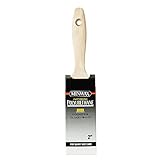
This Minwax brush is sold in a 2-inch size as a Polyurethane trim brush with a China bristle blend, and it is designed to go with the company’s oil-based finishes. The listing describes a natural-bristle brush with a stainless steel ferrule intended for a smooth, glass-like finish. The name mentions a roller or applicator in the product category, but the item is a brush, so confirm the exact contents on the product page.
At 2 inches it hits a sweet spot for chair legs, shelves, doors and cabinet frames. Natural bristle holds enough finish to avoid constant re-dipping but needs a light touch, and the listing does not state the exact bristle ratio, so treat the blend as a mix and confirm details before you buy.
- 2-inch width
- China bristle blend, intended for oil-based finishes per the brand
- Stainless steel ferrule per the listing
- Made for Minwax polyurethane products
- Bristle ratio and handle material: confirm on listing
Pros
- Good size for small furniture and trim
- Brand-matched to common polyurethane products
Cons
- Not suitable for water-based finishes
- Bristle blend is not detailed in the listing name
Compared with the Wooster, it is the compact choice for small pieces, while the Wooster covers large flat tops faster.
2. REDTREE 10041 Badger Fine Finish Brush, 2-1/2 Inch – Best for flowing oil-based fine finishes
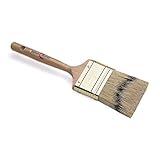
Despite the name, a Redtree Badger brush does not use badger hair. Redtree describes its Badger line as hog bristle with a badger-style fill, in a hand-formed chisel trim, with a pencil-style wooden handle. That chisel shape and soft bristle are made for flowing urethanes, varnishes and enamels, and the brand recommends oil-based use.
The 2-1/2 inch width suits table aprons, doors, cabinet sides and mid-size panels. Natural bristle is meant for oil-based finishes and shellac, not water-based ones, because water-based coatings can swell and soften it. Wash it out with the solvent the label recommends, then comb and dry it so the tip keeps its shape.
- 2-1/2 inch width
- Natural hog bristle with badger-style fill, per Redtree
- Hand-formed chisel trim
- Wood handle
- Intended for oil-based urethanes and varnishes
Pros
- Flows a smooth, level coat with oil-based finishes
- Premium-feeling build with good control
Cons
- Avoid with water-based polyurethane
- Needs careful cleaning to last
Next to the PPG, the Redtree gives a more refined flow with oil-based products, and the PPG is more flexible across finish types.
3. PPG ProVantage Varnish Brush, 2-1/2 Inch – Best nylon-polyester brush for both finish types

The PPG ProVantage Varnish brush is described as nylon polyester in a 2-1/2 inch width, offering value without giving up performance. A synthetic filament blend is the safe choice when you are not sure whether you will use water-based or oil-based finishes, because it does not absorb water and holds its shape through wet cleaning.
Synthetic brushes deliver a slightly different feel from natural bristle. They may carry a little less finish per dip, but they resist swelling and are easier to clean with water or mineral spirits. This is the one to grab if you are finishing with water-based polyurethane, or if you want a single brush for a mixed project. Check the product page for whether it is rated for both types and for handle details.
- 2-1/2 inch width
- Nylon-polyester filaments
- Varnish brush style per the listing
- Suitable for water-based finishes; oil-based use: confirm on listing
- Handle and ferrule details: confirm on listing
Pros
- Works with water-based finishes without swelling
- Easy to clean and keep usable
Cons
- Slightly less finish carried than natural bristle
- May leave more brush marks with thick oil-based coats
Compared with the Polycrylic brush, it is wider and better for larger surfaces, while the Polycrylic brush is a detail tool.
4. Minwax Polycrylic 1.5-Inch Brush – Best for small water-based jobs

This is a 1.5-inch brush sold under the Polycrylic name and described as made for water-based stains and finishes, with a nylon and polyester filament blend and a stainless steel ferrule. Minwax Polycrylic is a water-based protective finish, and this is the brush the brand pairs with it. It is a runner-up for the large flat work that most people picture in a polyurethane project, so use it for trim, chairs, spindles, shelves and touch-ups.
A smaller brush gives more control and less drag, which makes it easier to avoid drips on edges and corners. The tradeoff is speed. On a wide tabletop you will make more passes, which raises the risk of lap marks, so use a wider brush for big surfaces. The listing shows the item in white.
- 1.5-inch width
- Nylon and polyester filaments, designed for water-based finishes
- Stainless steel ferrule per retailers
- Pairs with Minwax Polycrylic
- Handle material: confirm on listing
Pros
- Excellent control on edges and small parts
- Designed for water-based clear finishes
Cons
- Too narrow for fast work on large tops
- Not intended for oil-based polyurethane
Compared with the PPG, it is smaller and brand-matched, and the PPG is better for broader surfaces.
5. Wooster Z1120 Yachtsman Brush, 3 Inch – Best for wide, flat surfaces with oil-based finishes

The Wooster Z1120 is the Yachtsman, a long-running varnish brush made with white China bristle. Wooster describes the bristle as soft enough to flow fine varnish and strong enough for heavy enamels, with a chisel-shaped edge and a corrosion-resistant ferrule. The 3-inch size is wide enough to cover a tabletop in a few smooth passes.
The handle is a short sash style, which is comfortable for tabletop work but can feel stubby for long reaches. As a natural bristle brush, it suits oil-based polyurethane, varnish and stain. Do not load it with water-based coatings. Take your time with thin coats, tip off with the brush tip and let the finish level before it begins to set.
- 3-inch width
- White China bristle, per Wooster
- Chisel trim and corrosion-resistant ferrule per Wooster
- Short sash handle
- Best with oil-based varnishes and polyurethane
Pros
- Soft bristle for smooth, low-mark coats
- Wide enough for big flat surfaces
Cons
- Not for water-based finishes
- Wide brush is awkward on narrow parts
Compared with the Redtree 3-inch, the Wooster is the more widely known varnish brush, and the Redtree is the finer finishing option.
6. REDTREE 10051 Badger Fine Finish Brush, 3 Inch – Best wide natural-bristle brush for large panels
This is the 3-inch sibling of the 2-1/2 inch Redtree, with the same natural hog bristle, badger-style fill and hand-formed chisel trim, according to the brand. The extra half inch of width helps on tabletops, doors, desktops and large panels, where each stroke covers more area and finishing goes faster.
Wide natural-bristle brushes hold plenty of finish, so load them lightly and pull long strokes with the grain. Use it only with oil-based finishes and shellac, and clean it with the solvent the finish label calls for. If your work is mostly small furniture, the narrower Redtree is more comfortable.
- 3-inch width
- Natural hog bristle, badger-style fill, per Redtree
- Hand-formed chisel trim
- Wooden handle
- For oil-based urethanes, varnishes and enamels
Pros
- Covers wide surfaces quickly and evenly
- Soft, flowing application with oil-based finish
Cons
- Too wide for narrow parts and trim
- Natural bristle needs careful cleaning
Compared with the Wooster 3-inch, the Redtree is the finer-finish choice and the Wooster is the more established workhorse.
Specs Compared
| Model | Width | Bristle / filament (per brand or listing) | Best finish type | Handle | Typical use |
|---|---|---|---|---|---|
| Minwax 2-Inch Polyurethane Brush | 2 in | China bristle blend; ratio: confirm on listing | Oil-based | Confirm on listing | Small furniture, trim |
| REDTREE 10041 Badger | 2-1/2 in | Hog bristle, badger-style fill | Oil-based | Wood, pencil style | Doors, panels |
| PPG ProVantage Varnish | 2-1/2 in | Nylon polyester | Water-based; oil-based: confirm on listing | Confirm on listing | General finishing |
| Minwax Polycrylic Brush | 1.5 in | Nylon and polyester | Water-based | Confirm on listing | Trim, detail work |
| Wooster Z1120 Yachtsman | 3 in | White China bristle | Oil-based | Short sash handle | Tabletops, big flat parts |
| REDTREE 10051 Badger | 3 in | Hog bristle, badger-style fill | Oil-based | Wood, pencil style | Large panels, desktops |
How We Chose These
We did not brush out finishes with these tools ourselves. We compared the listed brushes using manufacturer product pages, retailer specification fields and published guidance on matching brush fiber to finish type. The key criteria were bristle or filament material, width, edge shape, ferrule build and the finish chemistry each brand says the brush is for. Products are placed by how well they fit the polyurethane brief: natural-bristle picks lead for oil-based work, nylon-polyester picks cover water-based work, and any brush that is too narrow or specialized is described as a detail tool. Details that a listing does not state are marked for you to confirm on the product page.
What to Look For
Natural bristle or synthetic: match the brush to the finish
This is the most important rule in the guide. Natural bristle, such as China or hog bristle, holds a lot of finish and levels beautifully with oil-based polyurethane, varnish and shellac. In water-based finishes it absorbs moisture, swells and goes limp, which causes streaks and brush marks. Synthetic brushes made from nylon, polyester or a blend keep their stiffness in water-based products and also work with many oil-based ones. If you are unsure, check the can: it usually names the brush type it prefers, and the brush label should agree.
Width: pick a size you can control
A good rule of thumb is a brush about half the width of the surface you finish most. Use 1.5 to 2 inches for trim, chairs and cabinet frames, 2.5 inches for doors and shelves, and 3 inches for tabletops and large panels. A brush that is too wide drags and leaves heavy edges, while one that is too narrow requires many passes and risks lap marks. A worked example: a 24-inch-wide tabletop can be finished with a 3-inch brush in about eight passes across, which keeps each overlapping pass fast enough to stay wet.
Edge shape and bristle taper
A chisel or angled edge gives you crisp lines near edges and corners, and tapered or flagged bristle tips (split ends) lay down a smoother film with fewer marks. Poorly made brushes with blunt, uneven tips tend to leave streaks. Check the brush bristles before you buy by looking for a clean, even edge with no stray hairs.
Ferrule, handle and shedding
A stainless steel or corrosion-resistant ferrule resists rust from solvents and water. A well-set brush should not drop bristles into your finish, which would ruin a smooth coat, so comb out loose hairs on a new brush before use. Short handles give control for tabletop work, and longer pencil handles help fine strokes.
Technique and safety
Stir the finish gently instead of shaking it to avoid bubbles, thin your coat to the label’s instructions, load the brush about a third of the way up the bristles, and brush with the grain using long, light strokes. Do not overwork the coat once it starts to tack. Sand lightly between coats once dry, as the label directs, and wipe the dust away. Oil-based finishes need good ventilation, and rags soaked with oil-based finish can heat up and ignite on their own, so lay them flat outdoors to dry or store them in water in a sealed metal container.
Brush care that keeps a finishing brush smooth for years
A good finishing brush can last for many projects, but only if it is cleaned properly. For oil-based polyurethane, squeeze out the excess finish on a rag, swirl the brush in mineral spirits or the solvent named on the label, repeat in a second clean container, and finish with mild soap and warm water. Comb the bristles straight, reshape the chisel edge with your fingers, and hang the brush or lay it flat to dry. Never stand a wet brush on its bristles, because the tip will bend and leave streaks in the next coat. For water-based finishes, warm soapy water is usually enough. If you must pause for a few hours between coats, wrap the loaded brush in plastic wrap or foil and keep it cool, which prevents a skin from forming in the bristles. Dedicate your best natural-bristle brush to clear finishes only, since color stains and pigmented paints leave residue that can tint a later coat.
Building coats: thin layers beat thick ones
Polyurethane builds protection through several thin coats, not one heavy one. A heavy coat sags, wrinkles and takes far longer to cure. Plan on two to three thin coats for furniture and more for a high-wear surface such as a table. Let each coat dry for the time on the label, then scuff it lightly with fine sandpaper or a fine abrasive pad so the next layer bonds well, and wipe off the dust with a tack cloth or a slightly damp rag, matching the cloth to the finish type. Work in a dust-free space with good light and a raking light angle, so you can see wet edges and missed spots before they dry. Keep a wet edge by working in sections and overlapping each pass slightly, then lightly tip off in a single pass from one end to the other.
Choosing between one wide brush and two sizes
Many woodworkers keep two brushes for polyurethane: a wider one, around 3 inches, for flat tops and panels, and a narrower one, about 1.5 to 2 inches, for edges, legs and carved detail. Using the right width for each area reduces overlap marks and saves time. If you are buying only one brush for a mix of furniture projects, a 2 to 2.5 inch brush is the safest compromise. Whichever you pick, set aside a brush for clear finishes only so no stain or paint residue ever reaches a clear topcoat, and label the handle with the finish type so you do not mix water-based and oil-based use by accident.
Before the first coat, practice a few strokes on scrap wood or the underside of the piece. You will learn how much finish the brush holds, how it levels and how fast the surface starts to set. That five-minute test is good insurance against a visible mistake on the top of the project.
Questions
What brush should I use for water-based polyurethane?
Use a synthetic brush made from nylon, polyester or a blend. These filaments keep their shape in water-based products, while natural bristle absorbs water and becomes floppy.
Can I use a natural bristle brush with oil-based polyurethane?
Yes, natural bristle is the classic choice for oil-based polyurethane because it holds a lot of finish and levels smoothly. Clean it with the solvent recommended on the finish label.
How do I avoid brush marks and bubbles?
Stir instead of shaking, apply thin coats, load the brush lightly and use long strokes with the grain. Avoid going back over areas that have started to set, and let the finish level on its own.
How big should my polyurethane brush be?
For most furniture, a 2 to 2.5 inch brush is a good all-rounder. Use about 1.5 inches for trim and 3 inches for tabletops and large panels.
How do I clean and store a finishing brush?
Clean oil-based finish out with the solvent named on the label, then wash with mild soap and water, comb the bristles, reshape the tip and hang or lay the brush flat to dry. Clean water-based finish with warm soapy water.
Why is my brush shedding bristles into the finish?
New brushes can have loose hairs, so comb or flick the brush before use. Persistent shedding can indicate a poorly set brush, so replace it before it ruins a project.
Update History
- October 20, 2026 – Initial publication; product set drawn from current catalog listings.
- Check the product page for current specifications and availability before buying.
Sources
- Manufacturer and brand product pages for Wooster and Redtree brushes
- Retailer listing titles and specification fields for each listed product, including the Minwax and PPG brushes
- Published finishing guidance on matching brush fibers to oil-based and water-based finishes

0 Comments