What's inside
As an Amazon Associate I earn from qualifying purchases. This post may contain affiliate links at no extra cost to you.
To choose the right woodworking respirator, match the protection level to your dust, select a mask that seals comfortably, and choose the simplest option you will wear correctly for the length of each task.
As an Amazon Associate we earn from qualifying purchases at no extra cost to you.

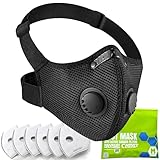

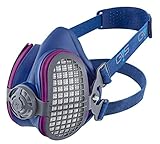
Start with the type of hazard
Woodworking creates airborne particles when you cut, route, sand, or sweep. Fine dust is the main respiratory concern, especially from powered sanding and cleanup. Some woods can also irritate the skin, eyes, or airways, while finishes, adhesives, and solvents may release chemical vapors that ordinary dust filters do not remove.
A particulate respirator is designed for dust, mist, and other particles. It is not automatically suitable for solvent vapor, spray finishing, or unknown contaminants. For those tasks, use a respirator with cartridges specifically approved for the vapor or combination cartridges, follow the coating manufacturer’s safety information, and seek professional occupational-safety advice if exposure is uncertain.
The three practical choices
Disposable filtering facepiece
A properly certified N95 filters at least 95 percent of airborne particles under the relevant test conditions. A P100 filter is rated for at least 99.97 percent of particulates and is generally the stronger choice for fine woodworking dust. Disposable models are lightweight, inexpensive, and convenient for occasional sawing or short sanding jobs.
The limitation is fit. A disposable mask relies entirely on its nose clip, straps, and facial seal. It cannot be worn effectively over a beard or stubble that crosses the sealing area. Some models have an exhalation valve, which can reduce heat and moisture inside the mask, but the valve does not improve filtration of inhaled air and may be unsuitable where source control is required.
Reusable elastomeric half-mask respirator
An elastomeric half-mask uses a rubber or silicone facepiece with replaceable particulate filters or cartridges. It usually seals more consistently than a disposable mask, has adjustable straps, and is a better long-term choice for regular shop work. Pair it with P100 particulate filters for fine dust; do not assume that a cartridge labeled for organic vapor also provides adequate particulate filtration unless it is a combination cartridge.
Reusable masks cost more initially and require cleaning, inspection, and replacement filters. They cover the nose and mouth but not the eyes, so safety glasses or a face shield remain necessary. Their lower edge can also interfere with some hearing protection or safety glasses, making a complete PPE check important.
Powered air-purifying respirator
A PAPR uses a battery-powered blower to draw air through filters and deliver it to a hood, helmet, or facepiece. It reduces breathing resistance and can be more comfortable during long sanding sessions. Loose-fitting hoods can also accommodate facial hair because they do not depend on a tight face seal, although the specific system’s approval and protection rating still matter.
Powered systems are substantially more expensive and heavier than disposable masks. They require charging, filter changes, airflow checks, and careful storage. A PAPR is worth considering for daily production work, extended sanding, limited tolerance for breathing resistance, or anyone who cannot pass a tight-fitting respirator fit test. It is not a substitute for local dust extraction or ventilation.
| Option | Typical particulate rating | Typical purchase range | Practical service life | Best fit |
|---|---|---|---|---|
| Disposable N95 | 95% minimum filtration | $1–$5 each | One shift or until dirty, damaged, or breathing resistance rises | Occasional work and short, low-dust tasks |
| Disposable P100 | 99.97% minimum filtration | $3–$12 each | As specified by the manufacturer; replace when soiled or difficult to breathe through | Fine dust when disposable convenience is important |
| Elastomeric half-mask with P100 filters | 99.97% minimum filtration | $30–$90 initially; filters often $10–$35 per pair | Facepiece can last years with care; filters are consumables | Frequent shop use and better value over time |
| PAPR with particulate filters | Varies by approved system | $700–$2,000 or more | Battery, blower, seals, and filters require periodic replacement | Long sessions, high comfort needs, or inability to use a tight seal |
These are broad 2026 market ranges, not guarantees. Certification, accessories, battery type, and replacement-filter availability can change the total cost considerably.
Use this decision matrix
| Your situation | Recommended starting point | Why |
|---|---|---|
| Occasional cutting, good dust collection, under 30 minutes | Certified N95 or P100 disposable | Low cost and adequate convenience when the mask seals properly |
| Weekly sanding or routing for 30–120 minutes | Elastomeric half-mask with P100 filters | More reliable seal, lower ongoing cost, and replaceable filters |
| Several hours of sanding most days | PAPR or a comfortable elastomeric mask with extraction | Reduces breathing effort and encourages consistent use |
| Beard crosses the sealing surface | Loose-fitting PAPR hood or facial-hair-compatible system | A tight-fitting mask may not pass a seal check or fit test |
| Spraying finish or using strong solvent | Correctly selected combination or vapor respirator | Particulate-only filters do not remove chemical vapors |
| Unknown heavy exposure or poorly ventilated commercial work | Professional hazard assessment | Filter selection and protection factors may require formal respiratory protection procedures |
Check certification, not just marketing language
Look for the applicable national approval marking and a complete model or approval number. In the United States, NIOSH-approved particulate respirators normally display a TC approval number and filter classification. “Dust mask,” “comfort mask,” and “防塵” style marketing terms do not by themselves establish respirator performance. In other countries, use the local standard and approved supplier markings.
For woodworking, P100 is a useful target when the mask is available and comfortable, but a well-fitting certified N95 worn consistently is preferable to a P100 respirator that leaks, fogs glasses, or gets removed during the job.
Fit matters more than the printed rating
A tight-fitting disposable or elastomeric respirator requires a user seal check every time it is put on. Cover the filter surfaces as instructed by the manufacturer, then inhale and exhale gently to check for air leaking around the nose, cheeks, or chin. This check does not replace a formal fit test.
Anyone required to use a tight-fitting respirator at work generally needs fit testing for the specific make, model, style, and size. Fit testing should be repeated when the model or size changes and according to the applicable workplace program. Facial hair, glasses frames, hood cords, and even heavy sideburns can compromise the seal.
Measure according to the manufacturer’s sizing instructions rather than guessing from hat size. If the mask causes pressure points, slides when you talk, or leaks during movement, try another size or facepiece design. Do not loosen the straps to solve discomfort before checking whether the mask is still sealing.
Calculate the ownership cost before choosing disposable
Suppose you work twice a week for 50 weeks and use one $3 disposable mask per session. The annual mask cost is:
2 sessions × 50 weeks × $3 = $300 per year.
A $60 elastomeric mask with two $20 pairs of P100 filters would cost about $100 in the first year, assuming the filters remain serviceable and the manufacturer’s replacement guidance permits that usage. The reusable option may therefore pay for itself within a few months. This calculation excludes cleaning supplies and any special cartridges, and it should never justify stretching a filter beyond its replacement instructions.
Maintain the respirator correctly
- Inspect straps, valves, gaskets, filter covers, and the facepiece before each use. Replace cracked, hardened, stretched, or damaged parts.
- Clean a reusable facepiece after use with the manufacturer-approved method. Remove filters first unless the instructions specifically allow otherwise.
- Store the respirator sealed from dust, sunlight, heat, and solvents. Do not leave it face-down on a dirty bench.
- Replace particulate filters when they are damaged, visibly dirty, wet, difficult to breathe through, or at the manufacturer’s stated interval.
- Replace vapor cartridges according to the manufacturer’s schedule or an established change schedule; do not rely on smell as a dependable warning.
- Charge a PAPR before extended work and perform the required airflow or low-flow alarm check before entering the dusty area.
Common mistakes include wearing a respirator only after the dust cloud appears, using a cloth face covering as a substitute, forgetting that sweeping can re-aerosolize settled dust, and assuming a dust filter protects against finish vapors. Connect the respirator decision to source capture: use a properly positioned dust extractor, keep the work area ventilated, and avoid compressed air for blowing dust into the breathing zone.
Bottom line
Choose a certified disposable N95 or P100 for occasional work, an elastomeric half-mask with P100 filters for regular woodworking, and a properly approved PAPR when long sessions, breathing comfort, or facial hair make a tight-fitting mask impractical. The best respirator is the one that matches the hazard, passes the required fit checks, remains comfortable for the whole task, and is maintained before the next cut.
0 Comments