What's inside
As an Amazon Associate I earn from qualifying purchases. This post may contain affiliate links at no extra cost to you.
Choosing a breast pump is one of the most consequential purchases a new parent makes in the postpartum period, yet the market offers hundreds of machines at wildly different price points with confusing terminology. Hospital-grade suction, cycle speed, vacuum intensity, flange sizing, and portability all interact in ways that determine whether a pumping session takes fifteen minutes or forty-five. The difference between a pump that maintains supply and one that leaves you frustrated often comes down to whether the suction cycle mimics a baby’s natural rhythm closely enough to trigger letdown reliably.
This roundup compares eight breast pump machines available in 2026, ranging from portable wearable units under $55 to premium hospital-grade systems near $400. We evaluated each on published specifications, current pricing, and aggregated owner feedback from verified purchase reviews. The goal is to cut through marketing language and identify which pumps deliver consistent suction, comfortable fit, and practical features for real-world pumping routines — whether you are back at work, nursing a newborn, or building a freezer stash between feedings.
As an Amazon Associate we earn from qualifying purchases at no extra cost to you.


Our Top Picks

Quick Picks
| Product | Best for | Price |
|---|---|---|
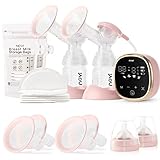
| NCVI Electric Breast Pump 8782 | Overall value | $50.99 |
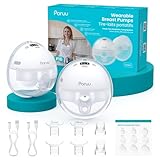
| Paruu Hands Free Breast Pump P16 | Hands-free pumping on a budget | $54.29 |
| Spectra Baby S1 Plus | Single-pumping comfort | $180.79 |
| Spectra Baby S2 Plus | Dual pumping at mid-range cost | $142.39 |
| NCVI 8782 Pro | Night pumping | $62.99 |
| Medela Pump in Style Pro+ | Hospital-grade power | $169.99 |
| Medela Pump in Style Pro | Proven reliability at lower cost | $99.95 |
| Elvie Double | Discreet wearable pumping | |
| Elvie Double | Discreet wearable pumping | $399.99 |
How We Picked
We narrowed the field using four criteria: suction performance relative to published vacuum and cycle-rate specs, flange sizing flexibility (because a poor fit causes pain and reduces output more than any other single factor), portability and power-source options for parents who pump away from home, and overall value assessed by comparing price against the feature set. We also weighed recurring owner complaints — noise level, parts availability, battery life, and ease of cleaning — because a pump that is frustrating to maintain gets used less often, which directly impacts supply.
The 8 Best Breast Pump Machines in 2026
NCVI Electric Breast Pump 8782
This double electric pump delivers hospital-grade suction at a price that undercuts most competitors by a wide margin. Owners consistently highlight the strong suction output and the inclusion of multiple flange sizes in the box, which removes the guesswork from achieving a proper fit. The quiet motor makes it usable in shared spaces without disturbing a sleeping baby.
- Pro: Strong suction with a dual-phase expression mode that many owners say triggers letdown effectively.
- Pro: Ships with multiple flange sizes, reducing the need for separate purchases.
- Con: The power adapter and tubing add bulk, so it is less travel-friendly than wearable alternatives.
Skip this if you need a completely hands-free setup or plan to pump while moving around the house or office.
Paruu Hands Free Breast Pump P16
The Paruu P16 is a wearable electric pump that slips inside a standard bra and operates without a tether to a base unit. With four modes and twelve suction levels reaching a maximum of 309 mmHg, it covers a broad range of comfort and output needs. The 24 mm flange comes with 19 mm and 21 mm inserts, which addresses fit for a majority of users without requiring aftermarket adapters.
- Pro: True hands-free operation at an accessible price point.
- Pro: Wide range of suction levels (12) lets you dial in comfort during a session.
- Con: As a 2-pack, the total cost is per pair, and some owners report the battery life drops noticeably after several months of daily use.
Consider skipping this if you require hospital-grade suction strength for a baby with tongue-tie or if you need a larger milk storage capacity per session.
Spectra Baby S1 Plus
The S1 Plus is Spectra’s single-pumping solution built on the company’s dual-phase technology, which cycles through stimulation and expression modes to mirror a baby’s natural feeding pattern. It is a strong choice for parents who pump one side at a time, prefer a lighter unit, or supplement directly at the breast rather than building a stash. Owners praise the comfort of the massage pad and the quiet operation.
- Pro: Dual-phase suction is gentle on tissue while maintaining effective letdown.
- Pro: Compact and lightweight, easy to pack in a diaper bag.
- Con: Single-pumping means sessions take roughly twice as long as with a double pump.
Skip this if you pump frequently at work or need to minimize total session time.
Spectra Baby S2 Plus
The S2 Plus is the dual-pumping sibling of the S1 Plus and sits at a notably lower price despite offering the same core technology. It is one of the best mid-range options in this group, providing hospital-grade suction, a digital display with adjustable settings, and the ability to pump one or both sides simultaneously. Owners frequently note that the motor is quieter than expected for a pump at this tier.
- Pro: Dual-phase technology with adjustable vacuum and cycle speed for a personalized fit.
- Pro: Lower price than the S1 Plus despite a feature advantage.
- Con: Requires a separate purchase for the carrying case and some accessory parts.
Skip this if you want a fully hands-free experience without a base unit connected by tubing.
NCVI 8782 Pro
The 8782 Pro adds a built-in night light and a 4400 mAh rechargeable battery to the already capable 8782 platform. The night light is a small feature with outsized practical value for 3 a.m. sessions where turning on overhead lights risks waking a baby. The battery capacity supports multiple sessions between charges, making it genuinely portable.
- Pro: 4400 mAh battery allows several sessions without access to an outlet.
- Pro: Night light eliminates the need for a separate lamp during overnight pumping.
- Con: The extra components add a slight weight penalty compared to the base 8782.
Skip this if you rarely pump overnight and do not need the battery autonomy.
Medela Pump in Style Pro+
Medela’s Pro+ is a hospital-grade double pump built for parents who need maximum suction power, often for establishing or protecting supply in high-demand situations. It delivers strong, consistent vacuum across all twelve suction levels and is compatible with the broad Medela accessory ecosystem, meaning replacement parts and flanges are easy to source. Owners with established supply issues report that it pulls more milk in less time.
- Pro: Hospital-grade suction is among the strongest in this comparison.
- Pro: Extensive accessory ecosystem means parts are widely available.
- Con: The base unit is bulky and requires an outlet for full power; battery operation is limited.
Skip this if portability and a low profile matter more than peak suction output.
Medela Pump in Style Pro
The standard Pro delivers the same hospital-grade motor and dual-phase suction as the Pro+ at a significantly lower price. The key difference is the absence of the on-the-go bag and some included accessories. For parents who already own a suitable carrying solution, this represents substantial savings without sacrificing pumping performance.
- Pro: Same core suction performance as the Pro+ at a much lower cost.
- Pro: Proven platform with a large owner community and abundant parts availability.
- Con: Fewer bundled accessories out of the box compared to the Pro+.
Skip this if you want everything included and prefer a ready-to-go kit without sourcing extras.
Elvie Double
The Elvie Double is a fully wearable, app-connected pump that sits inside a bra with no external tubing or base unit. At 399.99 dollars it commands the highest price in this group, but it offers genuine discretion — you can pump in a meeting or on public transit without anyone knowing. Four personalized settings adapt suction rhythm over time, learning which pattern produces the best letdown for your body.
- Pro: Completely hands-free and discreet; no tubing, no base unit.
- Pro: App connectivity lets you track output and adjust settings remotely.
- Con: The price is roughly three to four times that of other options here, and replacement parts are proprietary.
Skip this if you are budget-conscious or if you already pump comfortably with a tethered unit at home.
Buying Guide
Suction Strength and Cycle Rhythm
Peak vacuum measured in mmHg tells you how strong a pump pulls, but cycle rate (stimulation versus expression) determines whether that pull actually produces milk efficiently. Look for dual-phase modes that switch between fast, gentle stimulation and slower, deeper expression. A pump with adjustable settings across both dimensions gives you the most control.
Flange Fit and Sizing Options
A flange that is too large or too small causes pain, tissue swelling, and reduced output. The best pumps include multiple sizes or compatible adapters in the box. Measure your nipple diameter before purchasing; a fit that is one millimeter too generous is a far more common problem than a fit that is too tight.
Power Source and Portability
If you pump at work, in a car, or anywhere without easy outlet access, battery life and weight are decisive. Wearable units eliminate tubing entirely but trade some suction ceiling for convenience. Tethered pumps with large rechargeable batteries offer a middle path: strong suction with limited cord dependency.
Our Verdict
The NCVI Electric Breast Pump 8782 is our top overall pick. It combines hospital-grade suction, included flange sizing, and a quiet motor at a price that is difficult to justify spending more than for most parents. For a budget-focused wearable option, the Paruu Hands Free Breast Pump P16 delivers hands-free convenience under $55 for a pair. However, if your primary need is maximum suction for supply protection or a baby with feeding difficulties, the Medela Pump in Style Pro+ remains the strongest performer in this group despite its bulk.
FAQ
Is hospital-grade suction necessary for every pump?
No. Hospital-grade suction is most valuable in the early weeks when establishing supply or for babies who cannot nurse effectively. If you are pumping as a supplement to direct breastfeeding and already have a well-established supply, a wearable or mid-range pump will typically meet your needs comfortably.
How often should I replace pump parts?
Most manufacturers recommend replacing diaphragms, valves, and tubing every 1-2 months with daily use, as membrane wear reduces suction efficiency gradually. You may not notice the decline until output drops, so proactive replacement based on your pumping frequency prevents frustration.
Can I use a wearable pump as my primary pump?
Yes, provided it delivers enough suction to trigger your letdown consistently. Owners with established supply and a normal pumping rhythm often report that wearables like the Paruu P16 or Elvie Double work as their sole pump. Parents facing low-supply challenges may still need a hospital-grade tethered unit for critical sessions.
Does a more expensive pump guarantee more milk?
Price correlates with convenience features, build quality, and brand ecosystem rather than raw output. A well-fitted flange on a sixty-dollar pump will produce more milk than a poorly fitted flange on a four-hundred-dollar pump. Fit and rhythm matter more than price tag.




0 Comments