What's inside
As an Amazon Associate I earn from qualifying purchases. This post may contain affiliate links at no extra cost to you.
A buyer searching for used riding lawn mowers faces a crowded field where a machine that mows half an acre in under an hour can look identical on paper to one that stalls on a slight grade. The real divide sits in deck width relative to property size, engine or motor torque under load, and whether the transmission can handle repeated starts and stops without overheating. Owner complaints on budget zero-turn models consistently center on premature belt wear and thin gauge steel on the deck housing, while premium gas units draw criticism almost exclusively for fuel and maintenance costs.
Electric and robotic options have matured enough in 2026 to compete meaningfully with gas-powered tractors for lots under a half-acre, eliminating oil changes and spark plugs entirely. The trade-off is runtime anxiety and a higher sticker price per acre mowed. We compared published specifications, listed prices, and recurring themes from owner feedback across eight models to identify which machines deliver the best value for their intended use case.
As an Amazon Associate we earn from qualifying purchases at no extra cost to you.



Our Top Picks



Quick Picks
| Product | Best for | Price |
|---|---|---|
| Greenworks 60V CrossoverZ Zero Turn | Quiet electric zero-turn with no fuel | Check on Amazon |
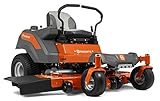
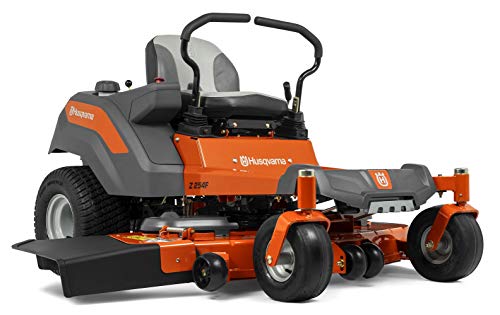
| Husqvarna Z254F 23 HP Kawasaki | Large flat properties, gas reliability | Check on Amazon |
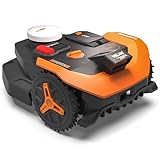
| WORX Robot Lawn Mower (Brushes) | Quarter-acre with obstacles | Check on Amazon |
| Husqvarna Z248F 23HP Kawasaki | Mid-size lots, tighter deck control | Check on Amazon |
| Husqvarna Z254F 24HP FR730 | Slope work and thick grass | Check on Amazon |
| Husqvarna TS 375XD | Hilly terrain with traction needs | Check on Amazon |
| EGO Power+ TR4204 | Electric tractor, moderate acreage | Check on Amazon |
| WORX Robot WR310 | Quarter-acre, no perimeter wire setup | Check on Amazon |
How We Compared
Four criteria drove this comparison. First, deck width relative to the stated price, because a buyer with a quarter-acre does not need 54 inches of cutting swath and should not pay for it. Second, powertrain suitability for terrain, since a hydrostatic transmission on a flat lot is overspec while a simple gear drive on a slope is underspec. Third, long-term operating cost, including fuel, electric runtime per charge, and the availability of replacement belts and blades at big-box stores. Fourth, recurring owner feedback about build quality beyond the first season, particularly deck rigidity and seat comfort over extended mowing sessions.
The 8 Best Used Riding Lawn Mowers in 2026
Greenworks 60V 42″ CrossoverZ Zero Turn Mower
This electric zero-turn suits a buyer who wants gas-like maneuverability without fuel or oil changes. Six 8.0Ah batteries and a 600W charger are included, which means the unit ships ready to work without a separate battery investment. Owners praise the near-silent operation and the tight turning radius that a 42-inch deck provides on narrow passages.
- Pro: Zero fuel costs, no emissions, minimal maintenance
- Pro: Included battery set removes the common electric-mower upsell
- Con: Runtime is finite per charge, limiting it to smaller lots without mid-session recharging
Skip this model if your property exceeds roughly three-quarters of an acre or includes dense, uncut brush that demands sustained high torque.
Husqvarna Z254F 54 in. 23 HP Kawasaki Zero Hydrostatic Turn
A 54-inch deck with a 23 HP Kawasaki engine targets owners of large, mostly flat lawns who value a proven hydrostatic system. The Kawasaki powerplant earns consistent owner praise for cold starts and smooth engagement over cheaper generic engines.
- Pro: Wide deck covers ground quickly on open properties
- Pro: Kawasaki engine reliability is well-documented across Husqvarna lines
- Con: Fuel, oil, and spark-plug upkeep add annual cost that electric rivals avoid entirely
Skip it if your lot has tight between-fence gaps where 54 inches becomes a liability rather than an advantage.
WORX Robot Lawn Mower for 1/4 Acre, Wire-Free with Brushes
This robotic unit handles a quarter-acre with brushless motors and no perimeter wire to bury. It appeals to a buyer who wants the mower to work autonomously with minimal daily involvement.
- Pro: Wire-free setup saves hours of installation labor
- Pro: Lowest upfront price of any autonomous option on this list
- Con: Small cutting path means it needs frequent cycles to maintain a dense lawn
Skip it if your lawn has steep grades or areas a robot cannot reach without a guide system.
Husqvarna Z248F (48″) 23HP Kawasaki Zero Turn Lawn Mower
The 48-inch variant gives the Kawasaki 23 HP engine to owners whose properties are narrower than the Z254F’s sweet spot. It retains the hydrostatic transmission and the same engine platform at a marginal price difference.
- Pro: More manageable in tighter yard layouts than the 54-inch sibling
- Pro: Identical engine and drivetrain serviceability as the larger model
- Con: Costs nearly as much as the 54-inch version despite less deck width
Skip it if you have the space for 54 inches; the price premium does not scale down proportionally.
Husqvarna Z254F (54″) 24HP 726cc FR730 Engine Zero Turn Mower
With a 726cc FR730 producing 24 HP, this variant trades the Kawasaki badge for more displacement and torque. It targets thick, tall grass and properties where the engine is under sustained load.
- Pro: Higher torque output handles wet or overgrown conditions better
- Pro: 54-inch deck retains the speed advantage for large areas
- Con: Slightly higher price than the Kawasaki-equipped Z254F for comparable features
Skip it if your lawn is routinely maintained and does not require the extra horsepower.
Husqvarna TS 375XD Riding Lawn Mower 24Hp 54 inches Differential Lock
The differential lock sets this machine apart from every zero-turn on this list. On hills or soft ground where one wheel loses traction, locking both rear wheels together pulls the mower forward instead of spinning. The 24 HP engine and 54-inch deck suit large, undulating properties.
- Pro: Differential lock is a genuine capability advantage on slopes
- Pro: High horsepower and wide deck pair well for acreage maintenance
- Con: Highest price on this list, and a traditional tractor chassis is slower to turn than a zero-turn frame
Skip it if your property is flat and you prioritize tight turning over traction.
EGO Power+ Electric Riding Lawn Mower, 42″ Deck Lawn Tractor TR4204
The TR4204 positions itself as an electric lawn tractor rather than a zero-turn, using a 42-inch deck with conventional steering. EGO’s battery ecosystem means owners already holding EGO handheld tools can share packs.
- Pro: Part of a broad battery platform that reduces accessory cost
- Pro: Electric drive cuts maintenance to blade sharpening and tire pressure
- Con: Higher price than the Greenworks zero-turn while offering a smaller cutting swath
Skip it if you need zero-turn agility or a deck wider than 42 inches.
WORX Robot Lawn Mower for 1/4 Acre, No Perimeter Wire, WR310
The WR310 is the wire-free upgrade path from the brushed WORX model above, priced roughly fifteen percent higher. It eliminates perimeter wire entirely, which removes the most common installation failure point for robotic mowers.
- Pro: No wire means no hidden cable to damage during landscaping
- Pro: Quiet enough to run at dawn without disturbing neighbors
- Con: Still limited to a quarter-acre coverage rating, constraining larger properties
Skip it if your lawn exceeds a quarter-acre or has significant elevation changes.
Buying Guide
Deck Width and Property Geometry
Match deck width to the narrowest passage on your property, not the total acreage. A 54-inch deck is faster on open ground but becomes a maneuvering problem between a shed and a fence line with three feet of clearance. Measure your tightest gap before choosing; if it is under four feet, cap yourself at 42 inches.
Zero-Turn vs. Rear-Engine Tractor vs. Robot
Zero-turns excel on irregular lots with obstacles because they pivot in place. Rear-engine tractors with differential locks handle slopes and soft soil more predictably. Robots are only viable on properties under a quarter-acre with minimal debris, because they cannot cut tall grass in a single pass and rely on frequent short cycles.
Engine and Powertrain Cost of Ownership
Gas engines require oil changes, filter replacements, and seasonal fuel treatment. Electric drivetrains eliminate those items but introduce battery-degradation cost over five to eight years. Kawasaki engines command a small price premium but produce fewer cold-start complaints in owner forums.
Our Verdict
The Husqvarna Z254F with the Kawasaki 23 HP engine is our top pick for a used riding lawn mower buyer who owns more than half an acre of mostly flat ground and wants the most proven combination of deck speed, engine reliability, and parts availability. However, if your property includes sustained grades above ten percent, the Husqvarna TS 375XD earns its premium because the differential lock provides traction no zero-turn or robot on this list can match.
FAQ
Is buying a used riding lawn mower worth it over new?
A used unit can save thirty to fifty percent off the sticker price, but you lose any remaining factory warranty and assume risk on components like the deck spindle, hydrostatic pump, and battery. Inspect the cut height consistency and listen for bearing noise in the mandrels before committing.
How many acres can a 42-inch deck handle in one session?
Owner reports suggest a 42-inch zero-turn covers roughly one to one and a half acres per fuel tank or full battery charge under normal lawn conditions. Taller, wet grass reduces that figure noticeably because the engine or motor draws more current or fuel per forward pass.
Do robotic mowers work on uneven terrain?
Most quarter-acre robot models on this list struggle on slopes steeper than fifteen percent or surfaces with ruts deeper than an inch. They perform best on flat, regularly maintained lawns where the grass height stays below the cutting threshold between cycles.
What maintenance items do used electric riding mowers still need?
Electric drivetrains eliminate engine oil, filters, and spark plugs, but you still must sharpen or replace blades annually, keep tires inflated to the listed PSI, and wipe grass buildup from the underside of the deck after each mowing session. Battery contacts benefit from a light dielectric grease coating before long winter storage.




0 Comments