What's inside
As an Amazon Associate I earn from qualifying purchases. This post may contain affiliate links at no extra cost to you.
Water rings and dark marks need different treatments. A white or cloudy ring usually sits in the finish; a black stain often means water has reached the wood and reacted with tannins, or carried dirt into the grain. Identify which one you have before sanding or applying a new coat. Otherwise, you can remove sound finish unnecessarily—or seal in a stain that still shows.
As an Amazon Associate we earn from qualifying purchases at no extra cost to you.

Our Top Picks
 SKIL 5” Random Orbital Sander with Cyclonic Dust5 inches7.87 x 4.8 x 5.51 inches3.44 poundsCheck on Amazon

Identify the stain before starting
Look at the mark in bright, angled light. A pale white haze is commonly moisture trapped in varnish, lacquer, or another clear finish. If the surface is otherwise intact, the wood may be unstained. A brown or black mark is more likely below the finish, especially on oak, walnut, and other tannin-rich woods. A raised grain, peeling finish, or soft wood suggests more than a surface ring: let the piece dry fully and check for damage before recoating.
Test in an inconspicuous spot, such as the underside or inside of a drawer. Confirm the existing finish if you can; solvent treatments that are suitable for one coating can damage another. Work with ventilation, keep solvents away from flames, and follow product labels.
Treat white rings with the least aggressive method
First, wipe the surface with a clean, dry microfiber cloth. If the haze remains, try a hair dryer on low or medium heat, held at least 6 inches away and kept moving. Check every 20 to 30 seconds; stop if the surface gets hot, smells strongly, softens, or changes sheen. A few minutes may clear mild moisture haze, but overheating can blister the finish.
If gentle heat does not work, a small amount of non-gel white toothpaste or a finish-safe polishing compound may help with light surface marks. Rub very gently with the grain using a soft cloth, then wipe clean and inspect. These abrasives can dull or cut through a thin finish, so skip them on delicate antiques, high-gloss lacquer, or surfaces with an unknown coating. Avoid oily “ring remover” recipes if you plan to recoat: residue can interfere with adhesion.
When the white mark persists, the finish may need repair rather than stain removal. If you are preparing the whole top for a new coat, a compatible recoat may even out a mild haze after cleaning and scuff-sanding. Do not simply add a finish over a ring that is still visible.
Treat dark stains below the finish
Strip or sand away the finish over the mark so the treatment reaches bare wood. Use the least amount of sanding needed; start around 120- to 150-grit on a flat surface, then move to 180- or 220-grit before staining or finishing. Sand with the grain and feather the repair into the surrounding area. On veneer, use light pressure and a sanding block: thin veneer can be sanded through in seconds.
For a black stain caused by iron and tannin, oxalic acid wood bleach is often the appropriate treatment. Follow the label’s dilution and application directions, apply only to bare wood, and protect nearby metal. Let it work as directed, then rinse or neutralize only as the manufacturer specifies. Some products require a neutralizing wash; others do not. Allow the wood to dry completely—often overnight or longer—before sanding lightly and recoating. Test the treated area with your planned stain or finish: bleaching can lighten the surrounding wood and leave a visible pale patch.
Ordinary household chlorine bleach is not a reliable substitute for oxalic acid on black water stains. It can change the wood color unevenly and weaken fibers. If the mark remains after a correctly applied treatment, it may be deep, or it may not be a tannin stain. Repeated bleaching can make the repair worse. A dark mark that penetrates deeply may need a localized wood repair or replacement rather than more chemical treatment.
Choose the treatment that matches the mark
| What you see | First approach | Main risk |
|---|---|---|
| White or cloudy ring; finish intact | Dry cloth, then cautious low heat | Heat can blister or soften the finish |
| White haze that resists heat | Test a mild polish in a hidden spot | Abrasive can dull or remove finish |
| Black mark on bare wood | Test oxalic acid wood bleach per label | Uneven lightening or incomplete removal |
| Raised grain, peeling, or soft wood | Dry, inspect, and repair the damaged area | Recoating can trap moisture or hide damage |
Prepare the surface for a new coat
Once the stain is gone and the wood is dry, remove all dust with a vacuum and a clean, lint-free cloth. Avoid tack cloths unless their maker says they are compatible with your finish; some leave residue. Sand only enough to smooth the repair and create an even surface. If you have a large tabletop and want consistent sanding, a 5-inch random-orbit sander is convenient, but hand-sanding with a block is cheaper and gives better control near edges and veneer.
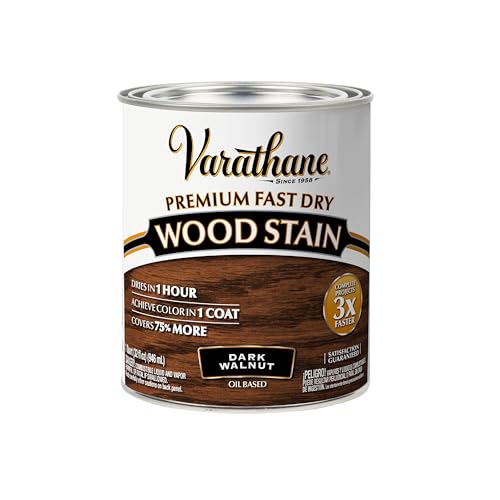
Match the existing coating where possible. An oil-based finish over an incompatible or wax-contaminated surface may fail to bond; a water-based finish can raise grain and reveal uneven color. Test your chosen stain and topcoat on the hidden test area, including any bleach treatment. Apply thin coats and respect the stated recoat time. A finish that feels dry to the touch may not be ready for sanding or another coat.
If you are unsure whether the surface is clean enough, test a small area with the intended finish before coating the entire piece. Watch for beading, fisheyes, or poor adhesion. For spot repairs that need a smooth final surface, a 180- and 220-grit finishing sandpaper assortment is usually enough; buying a large grit range is unnecessary for this job.
Prevent the stain from returning
Do not recoat until the wood and finish are dry, and do not leave damp cleaning cloths or plant pots on the surface. Use coasters and wipe spills promptly. If water damage came from a leak, fix the source before repairing the wood. A fresh topcoat can improve protection, but no clear finish makes a tabletop waterproof; prolonged standing water can still cloud or stain it.


0 Comments