What's inside
- Bubly Flavors Ranked at a Glance
- 1. Blackberry: Best Overall
- 2. Lime: Best for Meals and Daily Hydration
- 3. Grapefruit: Best for Bold, Tart Flavor
- 4. Mango: Best Soda Alternative
- 5. Cherry: Best for a Familiar, Rich Fruit Note
- 6. Peach: Best for Soft and Mild Sipping
- 7. Pineapple: Best for Tangy Tropical Refreshment
- 8. Strawberry: Best for a Low-Intensity Fruit Flavor
- 9. Orange: Best for Familiar Citrus
- 10. Lemon: Best for the Crispest Finish
- How to Choose the Right Bubly Flavor
- Buying and Storage Considerations
- Final Verdict
- Bubly Flavors Ranked at a Glance
- 1. Blackberry: Best Overall
- 2. Lime: Best for Meals and Daily Hydration
- 3. Grapefruit: Best for Bold, Tart Flavor
- 4. Mango: Best Soda Alternative
- 5. Cherry: Best for a Familiar, Rich Fruit Note
- 6. Peach: Best for Soft and Mild Sipping
- 7. Pineapple: Best for Tangy Tropical Refreshment
- 8. Strawberry: Best for a Low-Intensity Fruit Flavor
- 9. Orange: Best for Familiar Citrus
- 10. Lemon: Best for the Crispest Finish
- How to Choose the Right Bubly Flavor
- Buying and Storage Considerations
- Final Verdict
As an Amazon Associate I earn from qualifying purchases. This post may contain affiliate links at no extra cost to you.
Bubly flavors ranked: Blackberry, Lime, and Grapefruit are the strongest all-around picks, while Mango and Strawberry suit drinkers who prefer a softer, sweeter impression.
Bubly is unsweetened sparkling water, so “sweetness” here means perceived fruitiness and aroma rather than added sugar. The difference between flavors comes mainly from how bright, tart, fragrant, and lingering each one seems on the palate. Availability can vary by package and region, but the ranking below focuses on widely recognized Bubly varieties and the occasions where each works best.
As an Amazon Associate we earn from qualifying purchases at no extra cost to you.


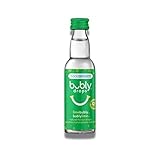
Bubly Flavors Ranked at a Glance
| Rank | Flavor | Perceived sweetness | Tartness | Aroma | Aftertaste | Best use |
|---|---|---|---|---|---|---|
| 1 | Blackberry | 4/5 | 2/5 | 5/5 | 4/5, berry-like | Everyday sipping |
| 2 | Lime | 2/5 | 4/5 | 4/5 | 3/5, clean citrus | Meals and hydration |
| 3 | Grapefruit | 2/5 | 5/5 | 5/5 | 3/5, lightly bitter | Rich or savory food |
| 4 | Mango | 5/5 | 1/5 | 4/5 | 4/5, tropical | Replacing soda |
| 5 | Cherry | 4/5 | 2/5 | 4/5 | 4/5, candy-adjacent | Afternoon drinks |
| 6 | Peach | 4/5 | 1/5 | 4/5 | 3/5, soft fruit | Brunch and light snacks |
| 7 | Pineapple | 4/5 | 4/5 | 4/5 | 3/5, tangy tropical | Hot weather |
| 8 | Strawberry | 3/5 | 2/5 | 3/5 | 2/5, delicate | Easy, low-intensity sipping |
| 9 | Orange | 3/5 | 3/5 | 3/5 | 3/5, familiar citrus | Breakfast and lunches |
| 10 | Lemon | 1/5 | 5/5 | 3/5 | 2/5, brisk and short | Maximum refreshment |
The scores are comparative impressions, not laboratory measurements. Cold temperature and strong carbonation can reduce perceived sweetness, while allowing a can to warm slightly makes fruit aromas easier to notice.
1. Blackberry: Best Overall
Blackberry earns the top spot because it has the most rounded profile. It smells distinctly fruity, tastes fuller than the citrus options, and leaves a berry note that lasts without becoming syrupy. It is still unsweetened, but the dark-fruit aroma creates the strongest impression of sweetness.
Choose Blackberry when you want one flavor that works from morning through evening. It is particularly good as a standalone drink or alongside sandwiches, salads, and mildly salty snacks. People who find lemon and grapefruit too sharp will usually find Blackberry easier to drink repeatedly.
2. Lime: Best for Meals and Daily Hydration
Lime is crisp, recognizable, and restrained. Its tartness is noticeable, but the flavor usually finishes cleaner than Lemon or Grapefruit. That makes it a dependable choice with tacos, grilled foods, rice dishes, and other meals where a sweeter-tasting fruit profile would compete with the food.
Lime also works well for hydration because it does not leave a heavy aftertaste. If you are buying a multipack and want the least polarizing citrus option, this is the safest starting point.
3. Grapefruit: Best for Bold, Tart Flavor
Grapefruit has the most assertive aroma in the citrus group and combines high tartness with a subtle bitter edge. That bitterness is its advantage if you like grown-up, dry-tasting beverages, but it is also the reason some drinkers place it below Lime.
It pairs especially well with rich foods, salty snacks, breakfast foods, and grilled dishes. Grapefruit is less suitable for someone seeking a soda replacement that tastes sweet. In that situation, Mango or Cherry will feel more satisfying.
4. Mango: Best Soda Alternative
Mango produces one of the sweetest impressions in the Bubly range despite containing no sugar. Its aroma is soft and tropical, its acidity is relatively low, and the finish tends to linger longer than Lemon or Strawberry. That combination makes it appealing to people moving from fruit soda or juice toward unsweetened sparkling water.
The trade-off is that Mango can seem less refreshing with a heavy meal because it lacks the sharp acidity of Lime or Grapefruit. It is better for afternoon sipping, warm-weather breaks, or whenever you want a dessert-like aroma without an actual sugary drink.
5. Cherry: Best for a Familiar, Rich Fruit Note
Cherry sits between fruit punch and sparkling water in perceived intensity. It has a recognizable aroma and a lingering finish that may remind some people of cherry candy, although it does not provide the sweetness of a conventional soft drink.
Pick Cherry if you want a flavor with more personality than citrus but do not want a tropical profile. It suits afternoon snacks, burgers, and casual entertaining. If you dislike lingering flavor, move down the list to Lime, Lemon, or Strawberry.
6. Peach: Best for Soft and Mild Sipping
Peach is gentler than Mango and less tart than most citrus flavors. Its appeal is subtlety: a rounded fruit aroma, low sharpness, and a smooth finish. That makes it useful when strongly flavored sparkling waters become tiring.
Peach fits brunch, light sandwiches, fruit, and mild snacks. It may disappoint anyone expecting the intensity of peach juice. The flavor is better understood as lightly scented sparkling water than as a calorie-free peach drink.
7. Pineapple: Best for Tangy Tropical Refreshment
Pineapple combines tropical aroma with noticeably higher acidity than Mango. The result is lively and refreshing, but also more polarizing. It can taste bright and clean when very cold; as it warms, the tartness and lingering fruit note become more obvious.
Choose Pineapple for hot days, outdoor meals, and spicy food. It is a strong option for people who want tropical character without the softer profile of Mango. Those sensitive to tart flavors may prefer Peach instead.
8. Strawberry: Best for a Low-Intensity Fruit Flavor
Strawberry is approachable but comparatively delicate. Its aroma is lighter, and its finish fades sooner than Blackberry or Cherry. That makes it easy to drink with breakfast or at a desk, though it may seem understated if you expect a strong berry flavor.
Strawberry is a good multipack choice for households with mixed preferences because it is neither aggressively sour nor strongly bitter. It is also a sensible flavor to try first if you are new to unsweetened sparkling water.
9. Orange: Best for Familiar Citrus
Orange has a balanced mix of mild tartness and recognizable citrus aroma. It is less sharp than Lemon and less bitter than Grapefruit, making it especially easy to match with breakfast, packed lunches, and salty snacks.
Its weakness is distinctiveness: drinkers seeking a bold flavor may find Orange ordinary. Still, that familiarity is useful when choosing for an office refrigerator or a mixed group.
10. Lemon: Best for the Crispest Finish
Lemon is the most bracing choice in this ranking. It has high tartness, low perceived sweetness, and a short, clean aftertaste. It refreshes quickly but provides less fruit aroma and body than Blackberry, Mango, or Cherry.
Choose Lemon when your priority is a sharp, uncluttered drink with lunch or after physical activity. It is not the best first choice for someone trying to replace sweet soda, since its acidity makes the lack of sugar especially noticeable.
How to Choose the Right Bubly Flavor
| Your priority | Best pick | Why | Second choice |
|---|---|---|---|
| Most fruit aroma | Blackberry | Full berry scent and lasting finish | Mango |
| Least sweet impression | Lemon | Brisk, tart, short finish | Grapefruit |
| Best with meals | Lime | Crisp without dominating food | Grapefruit |
| Closest feeling to a soda substitute | Mango | Sweet-smelling tropical profile | Cherry |
| Most refreshing on a hot day | Lemon | High acidity and clean finish | Pineapple |
| Safest group purchase | Strawberry | Mild, approachable fruit character | Orange |
Buying and Storage Considerations
Bubly is commonly sold in 12-fluid-ounce cans, with some flavors and product lines offered in other package formats. A 12-ounce can is roughly 355 milliliters. For a simple cost comparison, divide the package price by the number of cans: a $6 multipack of 8 cans works out to $0.75 per can, while a $10 multipack of 12 cans costs about $0.83 per can. The lower shelf price is not always the lower cost per serving.
Keep cans cold for the cleanest carbonation and store unopened packages away from heat. Once opened, the drink loses carbonation quickly, so smaller servings are preferable if you tend to sip slowly. Because Bubly is unsweetened, it does not offer the same flavor cushion as sugary soda; serving temperature has a noticeable effect on the experience.
Final Verdict
For most people, Blackberry is the best overall Bubly flavor because it offers the fullest aroma and the most convincing sweetness perception without becoming cloying. Buy Lime for a versatile meal pairing, Grapefruit for sharp and slightly bitter citrus, Mango for a soda transition, and Lemon for the cleanest, tartest refreshment. If you are uncertain, start with a mixed variety pack and compare the flavors cold, using the same glass and drinking order so the stronger aromas do not influence every sample afterward.
0 Comments