What's inside
As an Amazon Associate I earn from qualifying purchases. This post may contain affiliate links at no extra cost to you.
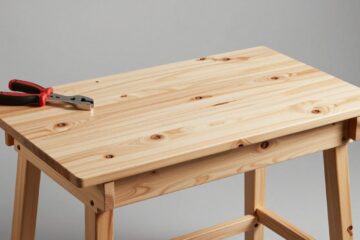
For a low-contrast painted grain, the best wood is usually one with fine, even pores and little color variation. You want the surface to show a quiet, shallow pattern after painting—not the strong earlywood lines, knots, and open pores that remain visible through a light finish.
Species choice matters, but the finish schedule matters just as much. A thin coat of paint over rough pine will still look like rough pine. Conversely, a well-filled and sanded open-grain hardwood can produce a nearly uniform painted surface. Choose the wood based on how much grain you want to retain, how smooth the finished part must be, and whether cost or stability is the main concern.
As an Amazon Associate we earn from qualifying purchases at no extra cost to you.

Our Top Picks
 AquaCoat Water-Based White Cabinet Wood Grain Filler Gel16 Fl Oz (Pack of 1)10 x 10 x 10 inches1.2 poundsCheck on Amazon


Best wood species for subtle painted grain
Poplar is the safest all-around choice for painted furniture, cabinet parts, trim, and shop projects. Its grain is generally fine and subdued, it machines easily, and it is widely available in clear, paint-grade boards. Poplar can have green, gray, or purple streaks, especially in wider boards, but an opaque primer and paint usually hide them. Its softness makes it easy to dent, so it needs careful handling before the finish cures.
Hard maple produces a very clean, restrained look. It has tight pores, good dent resistance, and a smooth surface that needs less filling than oak, ash, or walnut. Maple is a good choice for doors, tabletops, and frequently handled painted parts. It costs more than poplar and can be less forgiving to machine: dull cutters may burn it, and cross-grain sanding scratches can remain visible under satin or semi-gloss paint.
Birch is another strong option when you want a pale, relatively uniform substrate. Solid birch and good-quality birch plywood both accept paint well after proper priming. Birch plywood is especially useful for cabinet panels because it is stable and flat. Watch for edge veneer lines and voids in inexpensive plywood. Those defects can telegraph through paint unless you fill the edges and use a high-build primer.
Hardwood-grade alder has a soft, fine texture and usually a quieter grain than common softwoods. It is easy to rout and sand, making it useful for painted doors and face frames. Alder can contain small knots and resinous areas, so knot-sealing primer is still sensible. It is softer than maple and can bruise around clamps, corners, and fasteners.
Basswood has exceptionally fine, mild grain and is easy to carve or shape. It is a good choice for small decorative parts, carvings, and interior pieces that will not receive hard use. It is not a great choice for large tabletops or exposed cabinet edges because it dents easily and is often sold in narrower boards.
How the common choices compare
| Species | Painted grain visibility | Main advantage | Main drawback |
|---|---|---|---|
| Poplar | Low | Affordable, available, easy to paint | Soft; green or purple color streaks |
| Hard maple | Very low | Fine grain and good durability | Higher cost; shows sanding scratches |
| Birch | Low | Uniform color and stable plywood options | Edges and plywood defects need filling |
| Alder | Low to moderate | Easy machining and soft texture | Knots and dents can require extra repair |
| Pine | Moderate to high | Cheap and widely available | Resin, knots, soft earlywood, and strong growth lines |
| Oak or ash | High | Strong, durable, distinctive texture | Open pores remain obvious without grain filler |
Species that need more work
Pine is the cheaper option and is perfectly acceptable for rustic shelves, utility furniture, and painted parts where a little texture is welcome. Select clear, kiln-dried boards rather than construction lumber. Construction pine often has wide growth bands, dents, knots, and uneven moisture content. The soft earlywood compresses under sanding, leaving ridges that become more visible after paint.
Oak and ash are poor choices if your goal is a nearly flat, low-contrast surface. Their large open pores create a visible texture even beneath several coats of paint. You can use them, but expect to apply a dedicated paintable wood grain filler, scrape or sand it level, and possibly repeat the process. That extra labor can cost more than starting with poplar or maple.
Walnut, cherry, and mahogany can be painted, but their dark or strongly colored fibers may affect the appearance of light colors if the primer is thin. Dense tropical species may also contain oils that interfere with adhesion. For a straightforward painted project, these are usually unnecessary choices unless you already have the stock.
Preparation determines the final contrast
Start with boards that are flat, dry, and free of deep mill marks. Sand solid wood through 120, 150, and 180 grit, stopping at 180 for most painted work. Sanding much finer than 180 can reduce primer adhesion on some products; sanding much coarser leaves scratches that show through the topcoat. Vacuum the surface rather than relying only on a tack cloth, which can leave residue.
Fill dents, end-grain checks, and fastener holes with a compatible paintable wood filler. Let it dry fully, then sand it flush. On plywood, seal exposed edges with filler or a thin coat of primer, sand lightly, and repeat until the edge no longer drinks in finish. A single coat often leaves plywood edges visibly rough.
For poplar, maple, or birch, use one coat of a quality bonding or high-build primer. High-build formulas help reduce minor texture, but they will not fill deep open pores in oak. For pine and other resinous woods, spot-prime knots with a shellac-based primer sealer. Water-based primer alone may eventually allow yellow or brown resin stains to bleed through.
Paint choices and failure modes
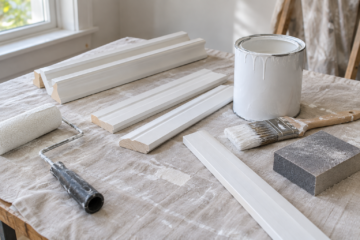
Use two thin finish coats rather than one heavy coat. A heavy coat can sag, remain soft, and exaggerate brush marks. Lightly sand between coats with 220 or 320 grit only after the paint has cured enough to produce dry dust; sanding gummy paint creates ridges. A satin sheen hides minor surface defects better than semi-gloss or gloss.
Common failures include grain telegraphing, knot bleed, raised wood fibers, and different sheen over filler spots. Grain telegraphing usually means the substrate was not filled or the primer film was too thin. Raised fibers often come from water-based products applied over poorly prepared wood; sand them smooth after the first primer coat. If the surface must look nearly sprayed and furniture-smooth, use a sandable primer, inspect under raking light, and plan on two primer coats with sanding between them.
For most low-contrast painted projects, buy clear poplar for the best value, birch plywood for stable panels, or hard maple when durability matters more than price. Spend the saved money on primer and surface preparation before upgrading to an expensive species.
0 Comments