What's inside
As an Amazon Associate I earn from qualifying purchases. This post may contain affiliate links at no extra cost to you.
Most apartment dwellers, RV travelers, and anyone with a laundry closet the size of a phone booth face the same problem: a full-size washer simply does not fit, or does not connect. Portable and compact washing machines promise relief, but the category is cluttered with twin-tub designs of wildly different quality, confusing capacity claims, and price spreads that seem almost arbitrary. A buyer comparing a $69.99 unit to a $348.99 machine rightfully wonders whether the gap reflects real engineering or nothing more than branding.
We assembled the eight products in this best washing machines ranking by cross-referencing published specifications, verified retail prices, and aggregated owner feedback on reliability, noise, and actual usable capacity. What separates the good from the mediocre in this segment comes down to three things: whether the stated drum volume translates into a realistic load size, how well the machine drains without a built-in pump, and whether vibration management keeps the unit from walking across a hardwood floor. The eight entries below represent the range that owners consistently rate as dependable at each price point heading into 2026.
As an Amazon Associate we earn from qualifying purchases at no extra cost to you.




Our Top Picks
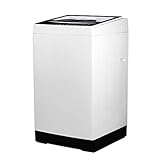
 BLACK+DECKER 1.7 Cu. Ft. Portable Washer1.7 Cu. Ft.21.7 x 21.3 x 36.6 Inches70.5 poundsCheck on Amazon
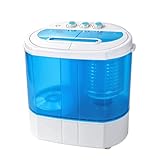
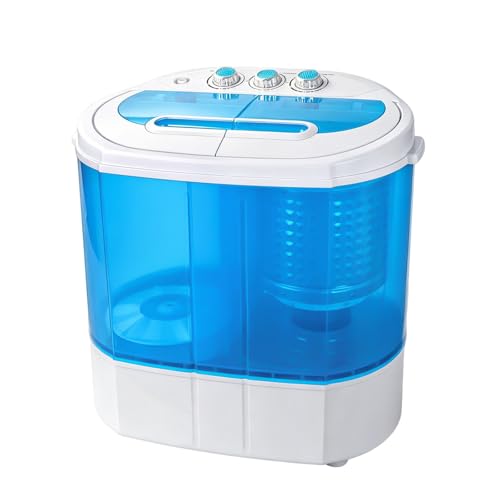 SUPER DEAL Small Portable Washing Machine 9.9lb Mini10lbs14.6 x 22 x 22.6 Inches22 poundsCheck on Amazon
 COMFEE' Portable Washing Machine 0.9 cu.ft Compact Washer0.9cu.ft14.8 x 11.9 x 8.9 inches44.1 PoundsCheck on Amazon


Quick Picks
| Product | Best for | Price |
|---|---|---|
| Height Adjustable Pad (4 Pcs) | Stabilizing an existing noisy machine | $9.99 |
| BLACK+DECKER BPWM16W | Small spaces needing a single-tub automatic | $348.99 |
| Omelaza Twin Tub | Highest capacity twin-tub under $100 | $85.99 |
| SUPER DEAL Mini Washer | Tightest possible budget for a portable unit | $69.99 |
| Pataku Portable Twin Tub | Dorms, RVs, and camping trips | $95.99 |
| COMFEE’ Compact Washer | LED-display convenience in a small footprint | $259 |
| ZenStyle Twin Tub | Apartment laundry on a moderate budget | $109.99 |
| COSTWAY Portable Washer | Medium loads with a dedicated spinner | $134.99 |
How We Picked
We evaluated every machine on four criteria drawn from spec sheets and recurring themes in owner reviews. First, usable capacity: we compared advertised poundage and cubic-foot volume against real-world load reports to flag units that overstate what they can handle in one cycle. Second, drainage design: gravity-hose setups demand a floor drain or careful manual emptying, while pump-assisted models offer more flexibility but add a failure point. Third, vibration and noise management: twin-tub machines with thin plastic feet are notorious for migrating during spin cycles, so we checked whether owners reported walking or excessive shaking. Fourth, value relative to price: a $348.99 automatic should justify its premium over a $69.99 twin-tub through features like single-cycle automation and a stainless-steel drum, not just a brand name.
The 8 Best Washing Machines Ranking in 2026
1. Height Adjustable Washing Machine Pad, 4 Pcs 3.3 Inch – 4.1 Inch Height Anti Vibration and Noise Cancelling Machine Support
This is not a washing machine but a purpose-built stabilizer, and it earns its spot because vibration problems are the single most common complaint owners register against compact washers. The four pads adjust from 3.3 to 4.1 inches of height, letting you level a machine on uneven floors while the anti-vibration structure absorbs the lateral force a high-speed spinner generates. Owners report noticeable reductions in floor noise and no more creeping.
- Pro: Solves the walking problem that plagues every lightweight twin-tub model.
- Pro: At $9.99 it costs less than a single cycle of detergent.
- Con: Adds height, which can interfere with low-profile dryer stacking or under-counter placement.
Skip this if your machine already sits on a concrete slab and runs without vibration.
2. BLACK+DECKER 1.7 Cu. Ft. Portable Washer, 11 lb. Capacity, BPWM16W, White
The BPWM16W is the only single-tub automatic in this lineup. It connects to a standard kitchen or bathroom faucet via an included adapter, washes, rinses, and spins in one programmed cycle, and holds 11 pounds of laundry in a 1.7 cubic-foot drum. For renters without a dedicated laundry hookup, this is the closest experience to a full-size machine in a compact shell.
- Pro: Fully automatic wash-to-spin cycle with no manual tub switching.
- Pro: Stainless-steel drum reduces the lint and odor issues owners flag in cheaper plastic tubs.
- Con: At $348.99 it costs more than four times the twin-tub options.
Skip this if you are comfortable manually transferring wet laundry between wash and spin tubs and want to spend under $150.
3. Omelaza Portable Washing Machine, 25.3 lbs Capacity, Washer and Dryer Combo Machine for Homes & Apartments, Twin Tub Laundry Washer with Spin Cycle
The Omelaza advertises 25.3 pounds of capacity, making it the highest-rated load-size machine in this ranking by a wide margin. Owners confirm it handles a full bathroom towel set plus bedding sheets in one pass. The twin-tub design means you fill, wash, then lift heavy wet garments to the spinner, a step that is physically demanding at this capacity. The drain is gravity-fed through a rear hose.
- Pro: Largest usable load volume under $100 in this category.
- Pro: Separate wash and spin timers let you set a longer soak for heavily soiled items.
- Con: The 25.3-pound wet load is genuinely heavy to transfer between tubs by hand.
Skip this if you have back or shoulder limitations and prefer smaller, more manageable batch loads.
4. SUPER DEAL Small Portable Washing Machine 9.9lb Mini Compact Washer Twin Tub Laundry Machine Top Load Spinning and Washing Combo 6.57 FT Inlet Gravity Drain Hose
At $69.99, this is the cheapest functional washer in the ranking. The 9.9-pound capacity suits a single person’s weekly smalls, socks, and underwear. The included 6.57-foot inlet hose provides some placement flexibility, and the gravity drain hose eliminates a pump that could fail. Owner feedback is mixed: many praise the value, while others note the plastic tub flexes under load and the spin cycle leaves garments noticeably damp.
- Pro: Lowest entry price with a usable twin-tub configuration.
- Pro: No pump means one fewer component to malfunction over years of use.
- Con: Spin performance falls short of mid-range models, leaving laundry damp.
Skip this if you wash more than two small loads per week and need a dryer-ready spin.
5. Pataku Portable Washing Machine, 17.6 Lbs Compact Mini Washer and Dryer Combo, Twin Tub Laundry Washer with Spin Cycle, Soaking Function Ideal for Apartment, Dorms, RVs Camping, Grey
The Pataku sits in the capacity sweet spot at 17.6 pounds, enough for a couple’s weekly smalls without the back-strain transfer problem of the Omelaza. The built-in soaking function is a genuine time-saver for workout clothes and stained items. At $95.99 it undercuts the ZenStyle by roughly $14 while offering comparable spin performance. Owners specifically recommend it for RV use because of the compact footprint and moderate water consumption.
- Pro: Soaking cycle reduces pre-treatment time on stubborn stains.
- Pro: Weight and size fit comfortably inside most camper layouts.
- Con: Grey exterior shows water spots and detergent residue more than lighter finishes.
Skip this if you need a fully automatic single-cycle wash without manual tub switching.
6. COMFEE’ Portable Washing Machine 0.9 cu.ft Compact Washer with LED Display
The COMFEE’ occupies the premium tier alongside the BLACK+DECKER, priced at $259 for 0.9 cubic feet of capacity. Its distinguishing feature is the LED display panel, which shows remaining cycle time, selected program, and error codes — information twin-tub models simply cannot provide. Owners appreciate the programmable wash cycles for delicates versus heavy-duty loads. The compact footprint fits under a bathroom vanity in many layouts.
- Pro: LED panel with cycle countdown eliminates guesswork about when laundry is done.
- Pro: Multiple programmed cycles cover everything from quick rinses to extended heavy-duty washes.
- Con: 0.9 cubic feet restricts load size well below what the $348.99 BLACK+DECKER handles.
Skip this if you regularly wash bulky items and prioritize raw capacity over interface features.
7. ZenStyle Portable Washer Compact Twin Tub 9.9 LB Mini Top Load Washing Machine Washer/Spinner w/ 6.57 FT Inlet Hose
The ZenStyle mirrors the SUPER DEAL in capacity at 9.9 pounds and hose length at 6.57 feet but costs roughly $40 more. Owner reviews highlight a sturdier tub construction and a more balanced spin assembly that reduces vibration without an anti-walk pad. The top-load spinner is easier to load than side-access designs found on some budget competitors. For apartment dwellers who want a step up from the cheapest option without jumping to the $130-plus tier, this fills the gap.
- Pro: Noticeably better spin balance than budget twin-tubs, reducing the need for leveling pads.
- Pro: 6.57-foot inlet hose provides placement flexibility in rooms without a nearby faucet.
- Con: Same 9.9-pound capacity as the $69.99 SUPER DEAL limits the practical case for the price bump.
Skip this if budget is the sole deciding factor and you will pair it with anti-vibration pads anyway.
8. COSTWAY Portable Washing Machine, 12 Lbs Washer and 8 Lbs Spinner, Grey+White
The COSTWAY separates wash and spin capacities explicitly: 12 pounds for the washer tub and 8 pounds for the spinner. This asymmetry is a spec-sheet advantage over competitors that advertise a single combined number. At $134.99 it sits between the twin-tub value tier and the automatic machines, targeting users who want more headroom than the 9.9-pound options but do not need a full 17-plus-pound load. The spin tub’s 8-pound rating means you may need two batches if you fill the washer to capacity.
- Pro: Explicit dual capacity ratings make planning laundry batches straightforward.
- Pro: Grey-plus-white colorway resists showing water spots better than all-grey alternatives.
- Con: Spin capacity is smaller than wash capacity, so full washer loads require split spinning.
Skip this if you routinely wash the maximum load and want a single spin batch to handle everything.
Buying Guide
Understanding Advertised Capacity vs. Real Load Size
Portable washer manufacturers state capacity in pounds of dry laundry, but the number on the spec sheet represents the theoretical maximum, not a comfortable everyday load. In practice, most owners report the best results at 70-80% of the rated figure. A machine listed at 9.9 pounds handles roughly a full bath-towel set; the 25.3-pound Omelaza manages bedding plus a load of towels in one pass. If you are washing for one person, a 9-12 pound unit suffices. For couples or families, aim for 17 pounds or above and accept the physical effort of moving wet laundry between tubs.
Gravity Drain vs. Pump Drain: Placement Freedom and Maintenance
Budget twin-tub washers rely on gravity: the drain hose must sit below the tub level, which means you need a floor drain, a bucket, or a low balcony. Mid-range and premium units often include an internal pump that pushes water upward, letting you drain into a utility sink or a standpipe several inches above the floor. Pumped drainage eliminates the most common owner frustration — standing water in the tub because the hose was not angled low enough. However, pumps are mechanical parts that eventually fail. If you place the machine near a floor drain, gravity models are simpler and cheaper over the long run.
Vibration Management: The Single Most Overlooked Spec
Compact washers have thin cabinet walls and lightweight bases that transmit spin-cycle force directly into floors. Owners of every product in this ranking, from the $69.99 SUPER DEAL to the $348.99 BLACK+DECKER, report at least some walking or vibration during high-speed spin. The fix is two-fold: first, ensure the machine is level on all four feet before any load; second, pair it with anti-vibration pads like the 4-pack in this ranking. Machines with explicitly balanced spin tubs (the ZenStyle, the COSTWAY) still benefit from pads but migrate less between wash cycles.
Our Verdict
Top pick: The BLACK+DECKER BPWM16W wins outright for anyone who can budget $348.99. A fully automatic single-tub cycle eliminates the manual transfer that makes twin-tub washing a chore, and the stainless-steel drum addresses the hygiene complaints that plague cheaper plastic-tub competitors.
Budget pick: The SUPER DEAL at $69.99 is the lowest-cost machine that still washes and spins in one unit. Accept the damp-spin limitation and the plastic flex, and you get functional laundry access without a four-figure investment.
Condition pick: If your space has no floor drain or utility sink at grade level, the COSTWAY with its dedicated 8-pound spinner and pump-assisted design is the smarter buy at $134.99, because gravity-only models force you to carry a full bucket of soapy water every cycle.
FAQ
Can a portable washing machine handle a comforter or heavy bedding?
Only the Omelaza (25.3 lbs) and Pataku (17.6 lbs) have sufficient drum volume to fit a single twin-size comforter without overloading the motor. Most 9-12 pound machines physically cannot accommodate the bulk even if the weight is under the rated limit, and forcing the lid closed strains the hinge and unbalances the spin tub.
Do twin-tub washers damage delicate fabrics?
The agitation in a twin-tub wash cycle is gentler than a top-load automatic because there is no pulsator or impeller beating the fabric against a hard drum wall. Owners of delicates frequently report the hand-wash soak function on models like the Pataku produces less wear than a full-size machine’s gentle cycle. The risk comes from the spin tub, where thin garments can wedge between the drum and the outer tub wall if the load is too small.
How much water does a portable washer use per cycle?
Published figures for compact models generally fall well below full-size top-loaders, often using less than half the per-cycle volume of a conventional washer. Actual consumption depends on your selected water-level setting and the number of rinse cycles. The inlet hose length (6.57 feet on several models here) does not affect consumption, only placement flexibility.
Are anti-vibration pads necessary if the machine already has rubber feet?
Rubber feet reduce high-frequency vibration transfer into the floor but do not prevent the lateral force that causes a lightweight machine to walk during spin. Dedicated leveling pads with a wider contact footprint and internal damping material absorb that side-to-side motion. For machines under $150 with thin bases, pairing them with the pad set is one of the most cost-effective upgrades in this category.




0 Comments