What's inside
As an Amazon Associate I earn from qualifying purchases. This post may contain affiliate links at no extra cost to you.
Best Commercial Spin Bikes for Home Cycling Studios
The best commercial spin bike for a home studio is the Schwinn AC Performance Plus for heavy, frequent use; choose the Keiser M3i when quiet operation and a compact footprint matter more, and the Peloton Bike+ when guided classes and connected features are the priority.
“Commercial” can mean a sturdy frame, serviceable parts, or simply marketing language. For home use, prioritize a stable frame, a fit range that suits every rider, and a resistance system you can maintain. The comparison below focuses on those ownership details, not just headline features.
As an Amazon Associate we earn from qualifying purchases at no extra cost to you.
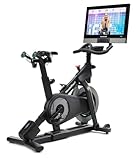

At a glance: three different strengths
| Bike | Drive and resistance | Published footprint (approx.) | Published user capacity | Best fit |
|---|---|---|---|---|
| Schwinn AC Performance Plus | Chain drive; friction resistance | 50 × 21 in | 350 lb | Frequent, high-traffic use and traditional studio feel |
| Keiser M3i | Poly-V belt; magnetic resistance | 49 × 26 in | 300 lb | Quiet training, low routine maintenance, and limited space |
| Peloton Bike+ | Belt drive; electronically controlled magnetic resistance | 59 × 22 in | 297 lb | Connected classes and guided workouts |
Figures are approximate and can vary by model year or configuration. Confirm current dimensions, capacity, warranty, and service terms with the manufacturer before buying. These bikes do not publish directly comparable flywheel weights, so a heavier flywheel number alone would not make a reliable ranking.
Which bike makes sense for your studio?
| Your situation | Most suitable pick | Why—and what to check |
|---|---|---|
| Several riders, frequent sessions, and a preference for conventional studio equipment | Schwinn AC Performance Plus | Robust commercial-style construction and familiar friction resistance. Budget for occasional chain cleaning and brake-pad inspection. |
| Apartment or shared room; quiet sessions matter | Keiser M3i | Belt drive and magnetic resistance avoid chain noise and routine friction-pad contact. Check the wider footprint and adjustability for all riders. |
| Classes, on-screen coaching, and a connected workout ecosystem are central | Peloton Bike+ | Integrated classes and electronically controlled resistance suit guided sessions. Account for subscription costs and ensure reliable Wi-Fi. |
| Tight budget or uncertain commitment to indoor cycling | Consider a simpler belt-drive magnetic bike | Commercial models may be unnecessary for occasional use. Compare warranty coverage and replacement-part availability, not just purchase price. |
How the ride and ownership differ
Frame durability and flywheel feel
For repeated use, look for a rigid steel frame, stable leveling feet, secure adjustment hardware, and a warranty that explicitly covers residential use. A commercial warranty may not apply at home—or may exclude multiple household users—so read the actual terms. A bike that rocks during standing efforts can be frustrating even if its stated weight capacity is high.
Flywheel mass is not a dependable stand-alone measure of ride quality. Gear ratio, drive tension, crank and bearing quality, and resistance design all affect how smoothly the pedals turn. If you prefer the familiar contact-based feel of a studio bike, the Schwinn’s friction brake is the traditional option. Magnetic resistance, as on the Keiser and Peloton, changes resistance without a pad pressing on the flywheel and generally needs less brake-related upkeep.
Resistance, sound, and maintenance
A chain can deliver a direct, familiar feel but needs periodic cleaning, lubrication, and tension checks. Friction pads gradually wear and may need replacement; a dry or misadjusted chain can also become noisy. A belt avoids chain lubrication and is often quieter, though it still requires inspection for wear and correct tension. Magnetic systems reduce routine contact wear, but electronic controls and sensors add components that may require model-specific service.
For any bike, wipe sweat from the frame, handlebar, seat post, and adjustment points after riding. Sweat left on metal can promote corrosion, especially around bolts and sliding surfaces. Keep lubricant away from brake pads and belts, and use only products and procedures approved by the manufacturer. Stop riding if you notice a loose crank, unusual knocking, slipping resistance, or a damaged pedal; continuing can turn a small repair into a larger one.
Fit and connectivity
Check seat and handlebar adjustment ranges against every rider’s inseam and reach, rather than relying on a broad height claim. Set saddle height so the knee remains slightly bent at the bottom of the pedal stroke, then adjust the saddle’s fore-aft position and handlebar reach for comfort. Use compatible pedals and cycling shoes if the bike’s standard pedal system does not suit your setup.
The M3i provides workout metrics and Bluetooth connectivity without requiring the same class-first experience as Peloton. The Bike+ is built around its screen and connected training features; those features are most useful if you will regularly use guided classes. The Schwinn is the more conventional choice: verify the exact console and data compatibility on the configuration you are considering, since accessories and specifications can vary.
Space and total cost of ownership
Measure more than the bike’s listed footprint. Leave clearance to mount and dismount safely, move the handlebars and seat, and stand out of the saddle. Check ceiling height for standing rides, the path through doorways, and whether the floor can support the bike without rocking. A protective mat can help contain sweat and protect flooring, but it does not replace a level, solid surface.
Commercial-style indoor bikes commonly span a broad market range—from around $1,000 to several thousand dollars, depending on model, console, and service package. Connected bikes may add recurring membership costs. Compare the full expected cost rather than purchase price alone:
Example: If a $1,500 bike is used five times a week for three years, that is about 780 sessions. The bike alone costs roughly $1.92 per session ($1,500 ÷ 780), before maintenance, delivery, or subscriptions. At two sessions a week over the same period, it is about $4.81 per session. This helps explain why a premium commercial frame is easier to justify for a multi-rider household than for occasional workouts.
Setup checks that prevent avoidable wear
- Level the bike and tighten assembly fasteners to the manufacturer’s specifications; do not compensate for a loose joint by overtightening another part.
- Confirm the seat and handlebar posts lock securely and do not slip under load.
- After the first few rides, inspect accessible fasteners and listen for new clicking or rubbing. Follow the manual’s inspection schedule thereafter.
- Keep the drivetrain clean, and use only the specified lubricant on a chain. Do not lubricate belts or resistance surfaces unless the manufacturer directs it.
- Record the model and serial number and check whether replacement pads, belts, pedals, and service support are available where you live.
Bottom line
Choose the Schwinn AC Performance Plus for a traditional, hard-use studio bike and accept the upkeep that comes with chain and friction systems. Choose the Keiser M3i for quieter operation and lower routine drivetrain maintenance in a shared or space-conscious home. Choose the Peloton Bike+ if its connected classes are central to your training plan and you are comfortable with the ongoing service or membership costs. Before ordering, confirm fit, residential warranty coverage, current specifications, and the cost of the parts most likely to wear.
0 Comments