Key takeaways
- Anyone who has woken up on a thin pad with a hip pressed against cold ground knows why people shop for a camping mattress instead of a basic sleeping pad.
What's inside
As an Amazon Associate I earn from qualifying purchases. This post may contain affiliate links at no extra cost to you.
Anyone who has woken up on a thin pad with a hip pressed against cold ground knows why people shop for a camping mattress instead of a basic sleeping pad. The word “mattress” signals a different priority: comfort and thickness first, pack size second. You are probably car camping, setting up a base camp, or sleeping in a large tent where weight is not the deciding factor, and you want something closer to a bed than a foam strip.
This guide focuses on that comfort-first buyer. It compares seven options, from thick self-inflating foam pads to a full air mattress with a built-in pump, and explains which numbers matter when you read a listing. Thickness, insulation rating, pump style, and width decide how a night actually feels. By the time the cold nights of late 2026 arrive, you will want to have settled these choices instead of discovering them on the first frosty weekend.
Quick Picks
As an Amazon Associate we earn from qualifying purchases at no extra cost to you.




| Product | Best for | Key spec from the title |
|---|---|---|
| OGERY 3″ Memory Foam Pad | Car campers who like a foam feel | 3-inch memory foam, built-in foot pump |
| FNARMW Double Pad | Couples sharing one pad | 6-inch extra-thick, 2 person, waterproof |
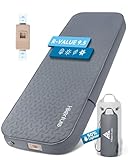
| Hikenture 4″ Self-Inflating | Cold-weather sleepers | 4-inch, 9.5 R-value, electric pump |
| OGERY 6″ Inflatable | Maximum cushion on an inflatable pad | 6-inch extra-thick, pillow, foot pump |
| Intex Dura-Beam Deluxe Twin | Bed-style comfort at the campsite | 18-inch twin air mattress, built-in pump |
| Oramoose 4in Ultralight | Wider pad that still packs small | 4-inch, pillow, foot pump |
| Zzuvjoy Memory Foam Pad | Insulated foam with an electric pump | 3.15-inch, 9.5 R-value |
How to Choose
Thickness and What It Does for Your Hips
Side sleepers generally need at least 3 inches of cushion so shoulders and hips do not bottom out on the ground. Four inches is a comfortable middle, and 6 inches feels closer to a home mattress. Bear in mind that thicker pads pack larger, and very tall air mattresses need more floor space inside the tent. If you sleep on your back, three inches of foam may be plenty.
R-Value and Seasons
R-value measures resistance to heat loss through the pad, and it matters more than thickness in cold weather. A rating around 4 suits three-season use, while listings that cite 9.5 are aimed at winter camping. Plain air mattresses with no insulation often feel cold underneath even on mild nights, so check whether the title mentions insulated foam or a stated R-value rather than assuming it.
Pump Type and Inflation
Built-in foot pumps remove the need for a separate pump but take a few dozen presses to firm up. Electric pumps are faster and gentler on tired legs, though they need charging or a power source. Self-inflating foam pads fill partly on their own and then top up with a few breaths or pumps. Pick based on how many nights a trip lasts and how patient you are at the end of a hiking day.
Width, Pillow, and What to Ignore
Standard singles are narrow, and wider pads or twin-size mattresses stop arms from sliding off at night. A built-in pillow is convenient but rarely replaces a real one for side sleepers. Ignore vague words like “ultralight” if the pad is also described as extra-thick, because comfort and minimal weight usually pull in opposite directions. Budget pads tend to cut corners on valve quality and seam durability, so keep your expectations modest on the cheapest tier.
The 7 Best Options
OGERY 3″ Memory Foam Camping Mattress
This self-inflating pad combines 3 inches of memory foam with a built-in foot pump and insulated foam, and the title lists car camping, tent camping, and backpacking as intended uses. It suits people who prefer the supportive feel of foam over the bounce of air. The foam core also helps hold warmth better than a bare air chamber.
- Strength: Memory foam conforms to shoulders and hips for pressure relief.
- Strength: Foot pump lets you top off firmness without extra gear.
- Trade-off: Three inches is the thinnest cushion on this list for strong side sleepers.
Think of it as the entry point into foam comfort. Because the title names three uses, it is a flexible pick for someone who car camps most weekends but occasionally carries a pad a short distance from the trailhead. Pairing it with a real pillow and a warm bag fills in the gaps. Skip it if you want a tall, bed-like surface.
FNARMW Double Sleeping Pad
This is a two-person pad listed at 6 inches extra-thick, with pillows, a built-in foot pump, and waterproof construction. It is meant for couples or a parent and child who would rather share one surface than pair two singles. Self-inflating plus a foot pump keeps setup simple at a campground.
- Strength: Wide two-person format removes the gap between separate pads.
- Strength: Six-inch thickness gives generous cushion.
- Trade-off: A double pad packs larger and takes up more floor area in the tent.
The waterproof note in the title is useful for damp tent floors, and the pillows make it feel more like a finished bed. Measure the tent floor before ordering, since two sleepers on one pad need a footprint that a small dome may not offer. Skip it if you camp solo or carry gear on your back.
Hikenture 4″ Self-Inflating Sleeping Pad
Hikenture lists a 4-inch thickness, an electric pump, a foam-and-air design, and a 9.5 R-value for all-season use. That insulation figure is the highest cold-weather claim in this group, so it fits shoulder-season and winter campers. The single size is aimed at one sleeper.
- Strength: The stated 9.5 R-value targets cold ground.
- Strength: Foam-and-air construction balances cushion and warmth.
- Trade-off: An electric pump adds one more item to charge.
For buyers comparing insulation, this is the clearest reference point in the group, because the number appears right in the title rather than being implied by words like “warm.” Pair it with a cold-rated sleeping bag and you cover most shoulder-season nights. Skip it if you only camp in warm summer weather and want a lighter setup.
OGERY 6″ Inflatable Camping Pad
This pad pairs 6 inches of thickness with a pillow and built-in foot pump in a compact package. The extra height keeps heavy sleepers off the ground and makes getting up easier than from a thin mat. It is a good fit for people who want maximum cushion in a manageable carry.
- Strength: Six inches of loft cushions hips and shoulders well.
- Strength: Built-in pillow saves packing a separate one.
- Trade-off: The title does not give an insulation rating, so cold-night warmth is unclear.
Tall inflatable pads can feel a little bouncy when a partner moves, so it works best for solo sleepers or anyone who does not mind some motion. A warm sleeping bag and a ground cloth help make up for the missing insulation figure. Skip it if you plan winter trips and need a stated R-value.
Intex Dura-Beam Deluxe Twin Air Mattress
This one is a true air mattress rather than a pad: an 18-inch twin with a built-in pump and a plush Fiber-Tech top. It is best for family car camping, cabins, and guest use where a bed-like height matters more than packing small. The built-in pump removes the need for a separate inflator.
- Strength: Bed height makes it easy to get in and out.
- Strength: Built-in pump keeps setup quick.
- Trade-off: It is bulky and not meant for carrying far from the car.
It also doubles as spare guest bedding at home, which stretches its value beyond the campsite. Inflate it on a flat tarp, because rough ground can wear air chambers over time. Skip it if you backpack or sleep in a small tent.
Oramoose 4in Ultralight Sleeping Pad
The Oramoose lists a 4-inch thickness, a pillow, a foot pump, and a wide, compact format. It sits in the middle of the group: thicker than basic mats yet still marketed for travel and hiking. Wider pads help restless sleepers stay on the surface.
- Strength: Extra width leaves more room for arms and shoulders.
- Strength: Foot pump and pillow arrive in the same package.
- Trade-off: No insulation rating appears in the title.
Restless sleepers and anyone who dislikes feeling the pad edge under their arm will see the benefit of the extra width. Roll it carefully after each trip so the valve and seams stay clean. Skip it if you need a verified cold-weather pad.
Zzuvjoy Memory Foam Sleeping Pad
This pad uses 3.15 inches of memory foam, an electric pump, and a listed 9.5 R-value. It is aimed at campers who want the pressure relief of foam plus real insulation for chilly ground. The electric pump helps if hand pumping is a chore.
- Strength: High stated R-value suits cold nights.
- Strength: Memory foam cushions pressure points.
- Trade-off: Just over 3 inches is thinner than the 4 to 6 inch options.
Compared with the OGERY foam pad, this one trades a little thickness for a stated insulation figure, a trade that cold-ground sleepers often prefer. Keep the pump charged and stored in a dry spot. Skip it if you want a tall inflatable surface.
Which One Fits Your Situation
Couples at a Campground
The FNARMW Double Sleeping Pad gives you one wide, 6-inch surface. If you would rather have separate beds, two Hikenture pads let each person own their insulation.
Cold-Weather Camper
Choose the Hikenture 4″ Self-Inflating pad or the Zzuvjoy Memory Foam pad, both of which list a 9.5 R-value. The Hikenture adds extra thickness, while the Zzuvjoy leans on foam comfort.
Family Basecamp With a Large Tent
The Intex Dura-Beam Deluxe Twin is the best match, since a tall air bed makes sense when the car is ten steps away.
Side Sleeper Who Wants Cushion
The OGERY 6″ Inflatable provides the most loft in a single-sleeper format, and the Oramoose 4in is a lighter alternative with extra width.
Common Mistakes
- Choosing by thickness alone and ignoring R-value on cold nights.
- Buying a double pad for a tent that cannot fit it.
- Assuming an air mattress is warm because it is tall.
- Skipping a trial inflation at home, which would reveal slow leaks early.
- Forgetting to charge an electric pump before leaving.
Related guides
- How To Strip Old Varnish From Furniture Without Sanding
- Random Orbital Sanders For Furniture Refinishing
- How Long To Wait Between Coats Of Polycrylic
Frequently Asked Questions
What thickness is best for a camping mattress?
Four inches suits most sleepers, while side sleepers often prefer 6 inches. Back sleepers can be comfortable with 3 inches of foam.
Is memory foam better than air for camping?
Foam offers steady support and adds insulation, while air packs smaller and can be adjusted for firmness. The right choice depends on whether warmth or pack size matters more.
What does a 9.5 R-value mean?
It is a high insulation rating aimed at winter camping, meaning the pad resists heat loss into cold ground. Summer campers do not need that much.
Do I need an electric pump?
No, foot pumps work fine, but an electric pump saves effort on large or thick pads. Just remember it needs a charge.

0 Comments