Key takeaways
- A sleeping pad does two jobs at once: it cushions your body and it keeps ground cold from pulling heat out of you.
What's inside
As an Amazon Associate I earn from qualifying purchases. This post may contain affiliate links at no extra cost to you.
A sleeping pad does two jobs at once: it cushions your body and it keeps ground cold from pulling heat out of you. Buyers often focus on the first job and forget the second, then wake at 3 a.m. on a thick pad that feels like a bag of cold air. The decision is really about the trade between weight, thickness, and material, and the best pad for a weekend car camper is rarely the best pad for a long hike.
This guide is for people choosing a pad rather than a full camping bed. It covers an accordion foam classic, two ultralight inflatables with stated weights, a roll-up memory foam pad, and thicker self-inflating options. Whether you backpack in spring, camp from a trunk in summer, or are preparing for a cold 2026 autumn, the points below show which specs deserve attention. Weight and thickness are printed in several titles, so use them as your first filter.
Quick Picks
As an Amazon Associate we earn from qualifying purchases at no extra cost to you.



| Product | Best for | Key spec from the title |
|---|---|---|
| FUN PAC Ultralight Pad | Compact inflatable with pillow | Built-in foot pump and pillow |
| OGERY 3″ Self-Inflating Pad | Foam comfort on a car camping trip | 3-inch memory foam, insulated foam |
| CYMULA Memory Foam Pad | Floor guests and car beds | CertiPUR-US memory foam, roll-up |
| Overmont Ultralight Pad | Thick pad with low listed weight | 4.7-inch thick, 1.98 lb |
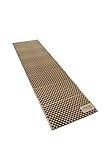
| Therm-a-Rest Z Lite Original | Durable, no-inflation trail pad | Ultralight accordion foam |
| FNARMW 5 Inch Pad | Thick comfort with pillow | 5-inch, built-in foot pump |
| Gear Doctors Ether | Backpackers watching ounces | 17.5 oz, compact inflatable |
How to Choose
Foam, Air, or Self-Inflating
Closed-cell accordion foam never leaks and needs no inflation, but it is bulky and thin. Inflatable pads pack to the size of a water bottle and give far more cushion, yet a puncture ends their usefulness unless you carry a patch. Self-inflating pads mix an open-cell foam core with a valve and offer a middle ground in comfort and weight. Pick the construction before the brand.
Thickness and Comfort
A two-inch pad is enough for back sleepers on soft ground, while side sleepers usually want three to five inches so hips do not touch the surface. The Overmont lists 4.7 inches and the FNARMW lists 5 inches, which is generous. Thicker pads feel plusher but are heavier or more bulky in the pack. If you share a tent with a restless partner, more thickness also dampens movement. Width is the other half of comfort: a pad that is too narrow lets elbows slide off, so look for a width figure in the listing when one is given and compare it to your shoulder span.
Weight and Packed Size
For backpacking, every ounce counts. A pad listed at 17.5 ounces or 1.98 pounds is a serious option for a hiker, while a thick foam mattress is a car-camping tool. Compare packed dimensions as well, since a pad that fits inside a pack saves exterior lashing. Do not assume “ultralight” in a listing means the same thing across brands; look for a stated weight.
Insulation and What to Ignore
R-value measures insulation and matters most when ground is cold. A pad with no stated R-value may be fine for summer but a poor choice for fall. Ignore claims that mix “ultralight” with “extra thick” without numbers, and ask what the pad is filled with. Budget inflatables tend to cut corners on valve quality and seam tape, so inspect them at home before your first trip. It is worth practicing the valve routine too: open it fully to inflate, close it firmly, and learn how to release air quickly when it is time to pack up. A pad that is hard to deflate at dawn slows down the whole morning.
The 7 Best Options
FUN PAC Ultralight Camping Sleeping Pad
The FUN PAC pairs an ultralight inflatable mat with a pillow and built-in foot pump, in a compact package meant for camping, backpacking, and hiking. The pump and pillow are integrated, so there is less to carry. It appeals to people who want a complete, simple setup at a moderate cost.
- Strength: Built-in pump removes the need for a separate inflator.
- Strength: Included pillow adds comfort without extra packing.
- Trade-off: The title does not state weight or insulation.
Treat it as a summer-weather pad until you confirm warmth details. Skip it if you need a stated R-value for cold ground. Inflate it at home first and leave it overnight to see whether it holds air, because a slow leak is easier to spot on a living room floor than on a dark trail.
OGERY 3″ Self-Inflating Memory Foam Pad
OGERY uses 3 inches of memory foam with a built-in foot pump and insulated foam, and its title lists car camping, tent camping, and backpacking. Memory foam gives a supportive, contoured feel that many sleepers prefer over springy air. Insulated foam adds a bit of warmth underneath.
- Strength: Memory foam contours to the body.
- Strength: Self-inflating plus pump gives easy firmness adjustments.
- Trade-off: Foam packs bulkier than an air-only pad.
Plan on carrying it in a car rather than a small pack. Skip it if you count every ounce on the trail. People who split their camping between car trips and short hikes often keep one foam pad like this for the car and a lighter pad for the pack.
CYMULA CertiPUR-US Memory Foam Camping Pad
CYMULA sells a roll-up memory foam pad with CertiPUR-US certification, described for camping, floor beds, and guest use. It is not a hiking pad; it is a comfortable roll-up for car camping, sleepovers, and spare bedding. The certification refers to the foam’s content and emissions standards.
- Strength: No pump or inflation is needed.
- Strength: Roll-up format doubles as guest bedding at home.
- Trade-off: Memory foam is bulky and heavy to carry far.
Keep it dry, since foam is slow to air out. Skip it if you will hike more than a short walk with it. Roll it loosely and store it unrolled when possible, since foam stays springy longer when it is not compressed for months at a time.
Overmont Ultralight Camping Sleeping Pad
Overmont lists a 4.7-inch thick inflatable pad with a pillow, built-in foot pump, and a weight of 1.98 pounds. Having both thickness and weight in the title makes it easier to compare. It suits hikers who want a comfortable pad without a heavy pack.
- Strength: Stated weight of 1.98 pounds helps backpackers plan.
- Strength: 4.7 inches of thickness suits side sleepers.
- Trade-off: No insulation rating appears in the title.
It pairs well with a warm bag in three-season use. Skip it if you camp on snow or frozen ground. When comparing it with the Gear Doctors Ether, note that the Overmont gives up some weight in exchange for a pillow and extra thickness, which is the trade many side sleepers accept.
Therm-a-Rest Z Lite Original
The Z Lite is a folding foam pad described as ultralight and durable trail comfort. It never needs inflation and will not deflate, which appeals to people who prefer reliability over plushness. Many hikers use it as a seat or a backup layer.
- Strength: Foam construction cannot leak.
- Strength: Folds out quickly, with no inflation step.
- Trade-off: Foam is thinner and firmer than inflatable pads.
It also works as a layer beneath an inflatable on cold ground. Skip it if you are a side sleeper who wants plush cushion. Shaped like a stack of panels, it tucks outside a pack and can double as a seat at lunch breaks, which suits hikers who like to keep gear within reach.
FNARMW 5 Inch Camping Sleeping Pad
FNARMW lists a 5-inch extra-thick pad with a pillow and built-in foot pump, compact enough for camping and hiking. Five inches is among the thickest on this list, which helps with pressure relief. The built-in pump keeps setup simple.
- Strength: Five inches of loft cushions hips and shoulders.
- Strength: Built-in pump and pillow keep the kit compact.
- Trade-off: Thickness comes with added weight and bulk.
Check the pillow position if you move around a lot. Skip it if weight is your top priority. Because the title does not give a weight or an insulation rating, ask the seller or read the label if either number matters for your trip, and compare it with the other pads here on those figures.
Gear Doctors Ether 17.5oz Ultralight Pad
The Gear Doctors Ether is listed at 17.5 ounces, compact, and inflatable, designed for backpacking. That weight figure is the lowest in this guide, making it the pick for ounce counters. Air-only construction packs small.
- Strength: 17.5 ounces is very light for a full pad.
- Strength: Compact packing fits easily inside a backpack.
- Trade-off: Air pads can puncture, so carry a patch.
Inflate it away from sharp rocks and thorny brush. Skip it if you want foam reliability or a pillow. A small repair kit weighs next to nothing, and a thin foam pad underneath can protect an air pad from rough ground while adding a bit of warmth.
Which One Fits Your Situation
Weekend Backpacker
Go with the Gear Doctors Ether for the lowest listed weight, or the Overmont if you want more thickness and can accept a bit more weight. Either one packs small enough to sit inside a pack instead of hanging off the outside, which keeps it clear of branches and rain.
Car Camper Who Wants Foam
The OGERY 3″ Self-Inflating pad gives a supportive feel, and the CYMULA roll-up works as bedding at home.
Hiker Who Dislikes Leaks
The Therm-a-Rest Z Lite Original cannot deflate and unfolds in seconds.
Side Sleeper Who Wants Cushion
The FNARMW 5 Inch pad offers the most loft of the group.
Common Mistakes
- Ignoring R-value and sleeping cold on a thick but uninsulated pad.
- Choosing a heavy foam pad for backpacking.
- Skipping a patch kit for an air pad.
- Inflating the pad by mouth in freezing weather, which adds moisture inside.
- Skipping a trial night at home to find comfort issues early.
Related guides
- How To Strip Old Varnish From Furniture Without Sanding
- Random Orbital Sanders For Furniture Refinishing
- How Long To Wait Between Coats Of Polycrylic
Frequently Asked Questions
How thick should a sleeping pad be?
Two inches works for back sleepers, while side sleepers usually prefer three to five. More thickness adds comfort and weight.
Is foam or air better?
Foam is durable and needs no inflation, while air packs smaller and cushions more. Pick based on weight, budget, and risk tolerance for punctures. Many hikers carry both a thin foam layer and an inflatable, which gives them a backup if one fails and extra warmth when it is cold.
What does CertiPUR-US mean?
It is a certification for foam content and emissions standards, not a measure of warmth or durability.
Do I need a pillow on the pad?
A built-in pillow is convenient, but many sleepers prefer a stuff sack with clothing. Choose what suits your sleeping style. A built-in pillow also tends to sit at a fixed height, which not every sleeper likes, so be ready to add a folded jacket if it feels low.

0 Comments