What's inside
- Which CNC Wood Mill Is Right for a Small Shop?
- The Four Specs That Actually Decide Your Purchase
- Comparison: Leading CNC Wood Mills for Small Shops (2026)
- Match the Mill to Your Situation
- Work Area Math: Sizing the Bed to Your Material
- Wood-Cutting Capability: What Each Class Handles
- Dust Management: Sizing the Extraction
- Ownership Realities
- FAQ
- Which CNC Wood Mill Is Right for a Small Shop?
- The Four Specs That Actually Decide Your Purchase
- Comparison: Leading CNC Wood Mills for Small Shops (2026)
- Match the Mill to Your Situation
- Work Area Math: Sizing the Bed to Your Material
- Wood-Cutting Capability: What Each Class Handles
- Dust Management: Sizing the Extraction
- Ownership Realities
- FAQ
As an Amazon Associate I earn from qualifying purchases. This post may contain affiliate links at no extra cost to you.
Which CNC Wood Mill Is Right for a Small Shop?
The best CNC wood mill for most small workshops is a rigid-bed router in the 24″×24″ to 48″×48″ work-area class — machines like the Shapeoko 5 Pro, Onefinity Woodworker, or Inventables X-Carve cover nearly everything a hobbyist-to-pro shop cuts, from sign boards to cabinet panels. The real decision isn’t brand; it’s matching work area, frame rigidity, and dust extraction to the material you actually cut and the floor space you actually have.
Below, we break down the criteria that matter, compare the leading wood CNC mills on concrete specs, and map common shop situations to the right machine class.
As an Amazon Associate we earn from qualifying purchases at no extra cost to you.


The Four Specs That Actually Decide Your Purchase
Product pages list dozens of features, but four determine whether a mill fits your work:
- Work area (X/Y travel). Buy for your largest repeatable part, not your dream project. A 24″×24″ machine handles signs, cutting boards, and guitar bodies; cutting furniture panels or nested cabinet parts wants 48″×48″. Remember that Y-axis depth is what matters for a full sheet — a “4×4” machine can’t reach the far end of a plywood sheet unless you tile the job.
- Rigidity (frame and linear motion). Hardwood, aluminum-tolerant passes, and clean detail work all depend on how little the gantry deflects. Belt-driven mills (X-Carve, Shapeoko) are fast and affordable but flex more under heavy cuts; ballscrew or leadscrew machines (Stepcraft, Axiom-style frames) cut slower but hold tighter tolerances in maple, walnut, and composites.
- Spindle vs. palm router. A trim router (Makita/DeWalt style) is cheap and loud and works fine for plywood and softwood. A dedicated spindle (1.5–2.2 kW, water- or air-cooled) runs quieter, holds RPM under load, and is worth it if you cut hardwoods daily.
- Dust management. A CNC wood mill generates fine dust continuously — this is not optional equipment. Plan for a dust shoe plus at minimum a 4″ dust-collector connection or a shop vac with cyclone separator. Budget $150–$400 on top of the machine price.
Comparison: Leading CNC Wood Mills for Small Shops (2026)
| Machine | Work Area | Drive System | Spindle/Router | Typical Price Range | Best For |
|---|---|---|---|---|---|
| Shapeoko 5 Pro (4×4) | 48″ × 48″ × 4″ | Ballscrew (X/Y), HDZ Z-axis | 65 mm router or VFD spindle options | $3,000–$5,500 | Furniture panels, batch hardwood work |
| Onefinity Woodworker | 32″ × 32″ × 5.25″ | Ballscrew, linear rails | 80 mm spindle mount (router or spindle) | $2,500–$4,500 | Signs, cabinetry parts, aluminum-tolerant cuts |
| Inventables X-Carve (1000 mm) | 29.5″ × 29.5″ × 4.5″ | Belt drive | Trim router | $1,800–$3,000 | Beginners, softwood/plywood signs |
| Shapeoko 4 Standard | 17.5″ × 17.5″ × 4″ | Belt drive, hybrid frame | 65 mm trim router | $1,400–$2,200 | Benchtop shops, small parts |
| Stepcraft M.1000 | 33″ × 23.6″ × ~5.5″ | Leadscrew | Spindle options up to 1 kW+ | $3,500–$6,000 | Precision hardwood detail, engraving |
| Genmitsu 4040 / desktop class | ~15.7″ × 15.7″ × 3″ | Leadscrew | 300–500 W spindle | $300–$700 | Learning, PCB-scale and small wood parts |
Prices reflect general 2026 market ranges and exclude dust collection, bits, and workholding — which together typically add $300–$800 to a new setup.
Match the Mill to Your Situation
| Your Situation | Recommended Class | Why |
|---|---|---|
| First CNC, garage shop, under $2,000 total | Belt-drive 1000 mm class (X-Carve, Shapeoko 4) | Lowest entry cost, huge user communities, forgives beginner mistakes |
| Weekend furniture maker, mostly hardwood | Ballscrew 32–48″ class (Onefinity, Shapeoko 5 Pro) | Rigidity keeps oak and maple cuts clean at useful feed rates |
| Cutting full cabinet sheets / nested parts | 48″×48″ or 4×8 frame | Sheet goods need the full Y reach; tiling a 4×4 job wastes time |
| Apartment / shared space, noise-sensitive | Desktop leadscrew (Genmitsu, SainSmart class) | Smaller motors and spindles are far quieter than trim routers |
| Side business selling signs | 32″ ballscrew with VFD spindle | Repeatability and faster feeds pay back the higher cost per job |
Work Area Math: Sizing the Bed to Your Material
A quick calculation prevents the most common regret — buying too small. Take your typical blank size and add the bit diameter plus clamp clearance:
- Cutting board blank at 12″ × 18″: needs at least ~14″ × 20″ of travel → a 17.5″ bed works.
- Chair seat or panel at 18″ × 24″: needs ~20″ × 26″ → minimum a 1000 mm machine.
- Half-sheet furniture layout (48″ × 24″ nested parts): only a 48″-class Y axis or a tiling strategy works.
Rule of thumb: your largest recurring part should fit inside 80% of the travel so clamps, the dust shoe, and approach moves aren’t fighting the machine limits.
Wood-Cutting Capability: What Each Class Handles
All of these cnc wood mills cut plywood, MDF, and softwoods without drama. Differences show up in dense material:
- Desktop leadscrew mills handle hardwood only in shallow passes — fine for jewelry boxes and inlays, slow for structural parts.
- Belt-drive machines cut hardwood fine at conservative feeds (roughly 60–100 in/min with a 1/4″ bit, 0.10–0.15″ depth per pass) but can leave chatter marks on aggressive cuts.
- Ballscrew machines push 1/4″ bits 0.25″+ deep in oak without visible deflection, which is where time savings compound on batch work.
- Z-axis clearance matters more than buyers expect: 4″ of clearance limits you to stock around 2.5–3″ thick once you account for bit stick-out and the dust shoe.
Dust Management: Sizing the Extraction
A wood cnc mill produces fine airborne dust for its entire cut time — a 45-minute carve is 45 minutes of dust. Minimum practical setup:
- Dust shoe that rides the Z-axis with the bit (nearly all machines offer one; aftermarket shoes run $50–$120).
- 2.5″ hose to a shop vac with a cyclone separator (~$120–$200 total) for machines under 1000 mm.
- 4″ hose to a 1+ HP dust collector (650+ CFM) for 48″-class machines and long cuts — a shop vac clogs or overheats on multi-hour jobs.
- Enclosure for apartment or basement shops; MDF dust especially wants containment plus filtration.
Ownership Realities
- What wears first: belts (belt-drive machines), v-wheels/eccentric nuts, and spoilboard surfaces. Belts and wheels are cheap consumables; spoilboards need re-surfacing or replacement every few months of regular use.
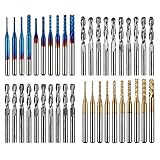
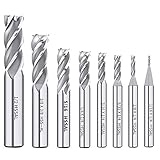
- Bits are the real running cost. Expect $15–$40 per quality bit; 1/4″ and 1/8″ downcut plus a surfacing bit covers most work. Budget roughly $100–$200/year for a hobbyist.
- Common mistakes: skipping spoilboard surfacing (parts come out non-flat), under-clamping, and running a trim router continuously for hours — routers aren’t built for CNC duty cycles, which is why serious shops upgrade to VFD spindles.
- Maintenance rhythm: vacuum rails and check belt tension/v-wheel preload every 10–20 hours of cutting; a loose eccentric nut is the #1 cause of “mysterious” bad cuts.
FAQ
Can a small CNC wood mill cut aluminum?
Yes, with caveats. Ballscrew machines with spindles cut aluminum comfortably at slow feeds; belt-drive machines can do it with a rigid setup, mist lubrication, and shallow passes, but it’s not their strength.
How much space do I need beyond the machine footprint?
Plan for the machine footprint plus at least 2–3 feet on one side for loading material, plus room for the dust extractor. A 4×4 mill realistically occupies a 6×6 ft working zone.
Is a spindle upgrade worth it?
If you cut more than a few hours per week or mostly hardwood, yes — quieter, cooler-running, and longer-lived than a trim router. For occasional plywood signs, the router is fine.
0 Comments