What's inside
- Quick picks by sleeping preference
- Parachute sheet materials compared
- Percale versus linen: the closest head-to-head
- Pocket depth and fit: the detail that prevents nightly failure
- Cooling, softness, and noise in everyday use
- Decision matrix for choosing the best Parachute sheets
- Care requirements and what wears first
- Long-term value and price expectations
- Quick picks by sleeping preference
- Parachute sheet materials compared
- Percale versus linen: the closest head-to-head
- Pocket depth and fit: the detail that prevents nightly failure
- Cooling, softness, and noise in everyday use
- Decision matrix for choosing the best Parachute sheets
- Care requirements and what wears first
- Long-term value and price expectations
As an Amazon Associate I earn from qualifying purchases. This post may contain affiliate links at no extra cost to you.
The best Parachute sheets for most sleepers are Percale Sheets for a cool, crisp feel, while Linen Sheets are the better long-term choice for maximum airflow and a relaxed texture; Sateen is preferable if softness and warmth matter more than cooling.
As an Amazon Associate we earn from qualifying purchases at no extra cost to you.

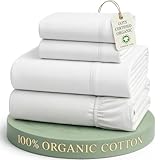

Quick picks by sleeping preference
- Best all-around cooling: Parachute Percale Sheets. Their plain-weave cotton construction feels light, dry, and breathable.
- Best for hot sleepers and humid rooms: Parachute Linen Sheets. Linen is airier and becomes softer with washing, though it starts with more texture and wrinkles.
- Softest cotton option: Parachute Sateen Sheets. The denser weave feels smooth and slightly warmer.
- Best for a relaxed, year-round bed: Parachute Brushed Cotton Sheets. They provide a softly napped surface, but are less cooling than percale.
- Best value over many years: Percale or linen, depending on your laundry habits. Both can last well when washed gently, while sateen may show surface wear sooner in high-friction use.
Parachute sheet materials compared
Parachute’s sheet collections differ more by fiber and finishing than by headline thread count. The practical questions are how the fabric handles heat, friction, washing, and the feel you want against your skin.
| Sheet type | Typical fiber | Weave or finish | Approximate fabric weight | Cooling | Expected shrinkage | Best for |
|---|---|---|---|---|---|---|
| Percale | 100% cotton | One-over, one-under plain weave | About 100–120 GSM | Excellent | About 2–5% after proper washing | Hot sleepers, crisp hotel-style texture |
| Linen | 100% European flax linen | Loosely woven plain weave | About 150–190 GSM | Excellent | About 3–7%, depending on laundering | Humid climates, people who like texture |
| Sateen | 100% cotton | Four-over, one-under satin-style weave | About 120–150 GSM | Moderate | About 2–5% | Smoothness, warmth, cooler bedrooms |
| Brushed cotton | 100% cotton | Plain weave with lightly raised surface | About 140–170 GSM | Fair to moderate | About 2–5% | Softness and colder seasons |
GSM means grams per square meter and is a useful comparison because it describes fabric mass rather than counting threads. A higher number does not automatically mean better quality. It often means more warmth, more drying time, or a denser hand. Fiber quality, yarn construction, finishing, and stitching have a greater effect on useful lifespan than thread count alone.
Percale versus linen: the closest head-to-head
Percale: cooler cotton with a neater appearance
Percale is the safer recommendation if you want breathable sheets but prefer cotton’s familiar feel. The tight plain weave allows air movement and gives the fabric a matte surface with a subtle “crunch” that usually softens after several washes. It also tends to look more orderly than linen, especially when made on the bed without ironing.
The trade-off is that percale can feel slightly stiff at first and may wrinkle more noticeably than sateen. In a dry climate, it may also feel less immediately soft than brushed cotton. A gentle wash and a low-heat tumble dry usually improve the hand without damaging the fibers.
Linen: more airflow, more texture, more care discipline
Linen is a strong choice when cooling matters more than a smooth surface. Its flax fibers and relatively open weave allow heat and moisture to move away from the body. Linen also tends to become softer over time rather than losing its character, making it attractive for frequent use.
New linen can feel coarse compared with cotton, and the fabric wrinkles by design. That is not normally a defect. The main ownership risk is excessive agitation, high heat, or over-drying, which can weaken fibers and exaggerate shrinkage. Wash linen separately when possible, avoid fabric softener, and remove it while slightly damp if you want fewer hard creases.
Pocket depth and fit: the detail that prevents nightly failure
A fitted sheet that technically fits but has no spare depth can pop off when the mattress flexes. Parachute’s fitted-sheet sizing is generally designed for mattresses up to about 16 inches deep, but the exact product listing should be checked before ordering because mattress pads and toppers consume that clearance.
Use this calculation before buying:
Required pocket depth = mattress height + topper height + mattress-pad height + 1 to 2 inches of working allowance.
For example, a 12-inch mattress with a 3-inch topper and a 1-inch protector needs approximately 17–18 inches of usable depth. A fitted sheet rated to 16 inches may fit at the corners but remain under tension, increasing the chance that the elastic will pull away or the corner seam will wear prematurely.
Measure the thickest part of the mattress, not the recessed area between quilting or pillow-top sections. Deep mattresses also make flat-sheet dimensions more important: a generous flat sheet is easier to tuck and stays useful after modest shrinkage.
Cooling, softness, and noise in everyday use
- For the coolest feel: Choose linen or percale. Linen feels more textured; percale feels crisper and quieter.
- For smooth skin contact: Choose sateen. Its surface is sleek, but it can retain more warmth and may show abrasion sooner.
- For quiet, cozy bedding: Choose brushed cotton. Its raised surface reduces the crisp rustle of percale, at the cost of some breathability.
- For changing seasons: Percale is the most balanced option. Add a separate blanket rather than choosing very heavy sheets if you sleep hot in summer.
Color also affects ownership. Dark and saturated shades can reveal lint, detergent residue, and fading more readily than pale neutrals. If matching is important, buy a complete set from the same collection and dye lot when available.
Decision matrix for choosing the best Parachute sheets
| Your situation | Best choice | Why | What to accept |
|---|---|---|---|
| Budget-conscious buyer replacing one set | Percale | Versatile, durable, and usable in most seasons | Initial crispness and wrinkling |
| Very warm sleeper or humid bedroom | Linen | Strong airflow and moisture movement | Texture, wrinkles, and a higher purchase price |
| Cold room or preference for silky softness | Sateen | Smooth, dense surface with more warmth | Less ventilation and possible surface pilling or wear |
| Frequent laundry and low-maintenance routine | Percale | Dries relatively quickly and tolerates regular rotation | It still benefits from low heat and prompt removal |
| Want sheets to soften with age | Linen | Texture generally relaxes after repeated washing | It will remain visibly rumpled |
Care requirements and what wears first
Wash sheets before their first use to remove finishing residue. Use cold or warm water, a small amount of mild detergent, and avoid chlorine bleach unless the care label specifically permits it. Fabric softener can coat fibers, reduce absorbency, and make residue more difficult to remove over time.
- Wash sheets separately or with lightweight clothing to reduce twisting and abrasion.
- Do not overload the washer; fabric needs room to rinse completely.
- Tumble dry on low or medium-low heat, or line-dry out of intense direct sunlight.
- Remove the sheets promptly when dry and fold them loosely rather than compressing them in a crowded cupboard.
- Rotate at least two sets so each set rests between washes.
The elastic and fitted-sheet corners usually wear before the central fabric. Repeated stretching over an oversized mattress, rough mattress protectors, and high dryer heat accelerate this failure. On the sleeping surface, sateen can develop shiny worn patches where heels, knees, or pets create friction. Linen may show small slubs or variations that are part of the fiber rather than damage. Pilling is more often linked to friction, heat, or blended fibers than to a particular thread-count number.
Long-term value and price expectations
Premium Parachute sheet sets generally sit above mass-market cotton bedding, with broad market pricing often around $100–$300 or more for a set, depending on size, material, and whether it includes a flat sheet. Linen commonly costs more than percale or sateen because flax processing and fabric finishing are expensive.
A simple ownership calculation helps put the price in context. If a $240 set is used twice weekly for three years, that is roughly 312 nights of use, or about $0.77 per use before laundry costs. If the fabric remains comfortable for five years at the same frequency, the figure falls to about $0.46 per use. This is why fit, rotation, and care matter as much as the initial price.
For most buyers, the best Parachute sheets are therefore not the heaviest or softest option. Choose percale for the safest balance, linen for maximum breathability and a relaxed long-term texture, sateen for smooth warmth, and brushed cotton for cozy softness. Confirm pocket depth against every mattress layer before ordering; that single measurement has more influence on daily satisfaction than a higher thread-count claim.

0 Comments