What's inside
As an Amazon Associate I earn from qualifying purchases. This post may contain affiliate links at no extra cost to you.
Best Electric Shavers: The Right Choice Depends on Your Beard and Routine
The best electric shavers are the ones that match your beard, skin, and shaving habits: choose a foil shaver for short, straight strokes and a close everyday finish, or a rotary shaver for longer, multidirectional growth and contours. Before buying, check whether it supports wet-and-dry use, how long its battery runs, and what replacement heads cost—those details can matter more over time than the headline feature list.
Foil vs. Rotary: Which Design Suits You?
A foil shaver uses a thin, perforated metal screen over moving cutters. The foil guides short hairs to the blades, so the shaver generally works best with controlled strokes against the direction of growth. Its flat surface can be easier to maneuver around sideburns and along a beard edge. For many people who shave daily or every other day, a foil model is a practical starting point.
As an Amazon Associate we earn from qualifying purchases at no extra cost to you.


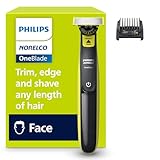

A rotary shaver has circular cutter heads, usually arranged in a three-head cluster. Move it in small circles to follow the contours of the face and catch hairs growing in different directions. It can suit people who shave less often or find that their beard grows in several directions. The trade-off is a technique adjustment: pressing hard or moving too quickly can make the shave less comfortable.
Neither design is automatically gentler or closer for everyone. Beard density, hair direction, technique, and how often you shave all affect the result. If possible, buy from a retailer with a clear return policy so you can assess comfort with your own routine.
Compare the Practical Details
The examples below are established product families, not a ranking. Specifications vary by model and region, so confirm the exact version before buying. Approximate weights are for the shaver body; accessories and travel cases are excluded.
| Model or family | Design and use | Battery or power | Approx. body weight | Replacement interval |
|---|---|---|---|---|
| Braun Series 5 (current generation) | Foil; wet-and-dry versions available | Up to about 50 minutes cordless | About 175–200 g, depending on version | Often around 18 months; check the manual for the specific head |
| Braun Series 7 (current generation) | Foil; wet-and-dry versions available | Up to about 50 minutes cordless | About 185–210 g, depending on version | Often around 18 months; actual wear depends on use and care |
| Philips Shaver Series 5000 (model-dependent) | Rotary; many versions support wet-and-dry use | Typically about 50 minutes cordless | About 170–200 g, depending on version | Commonly around 24 months; verify the model’s manual |
| Panasonic Arc5 (model-dependent) | Multi-blade foil; wet-and-dry versions available | Typically about 45–50 minutes cordless | About 180–220 g, depending on version | Foils and inner blades may have different schedules; check the manual |
Runtime figures are approximate manufacturer specifications for representative versions, not a promise for every product in a family. Battery condition, shaving pressure, and cleaning can affect real-world runtime. Some models also include a travel lock, cleaning station, or quick-charge mode; treat those as useful extras, not substitutes for choosing the right head design.
Choose by Your Shaving Situation
| Your situation | A sensible starting point | What to check |
|---|---|---|
| Daily or every-other-day shaving; mostly straight hair growth | Midrange foil shaver | Comfort on the neck, replacement-foil availability, and wet/dry rating |
| Shaving every few days; hair grows in multiple directions | Rotary shaver | Ease of cleaning the head assembly and the cost of a full replacement set |
| Want to shave with water or shaving gel | A model explicitly rated for wet-and-dry use | Whether it is safe to rinse and whether it can operate while plugged in |
| Travel often or have limited time between charges | A model with at least 45–50 minutes of stated runtime and quick charge | Charging time, voltage compatibility, travel lock, and whether a corded option exists |
| Keeping costs low over several years | A basic shaver with readily available replacement parts | Current head price and replacement interval—not just the initial price |
Wet-and-Dry Use, Skin Comfort, and Beard Length
“Wet and dry” means the shaver is designed for use on a dry face and, depending on its instructions, with water, foam, or gel. It does not mean every electric shaver can be rinsed under a tap. Check the exact model’s manual, and never use a plugged-in shaver near water unless its instructions specifically allow it. A wet shave may feel more comfortable to some users, while dry shaving is quicker and easier to do away from a sink. Neither approach guarantees a closer shave.
For sensitive-feeling skin, prioritize a flexible head, low-friction handling, and a return policy over a large number of cutting elements. Use light pressure and let the cutter do the work. If you have several days of growth, trim it shorter first if the shaver struggles: most foil and rotary shavers are designed primarily for stubble, not for cutting long beard hair in one pass. A built-in pop-up trimmer can help with edges, but it is not a replacement for a dedicated beard trimmer.
What Ownership Costs Look Like
Replacement heads are consumables. Foils can dent or tear, and cutters gradually lose efficiency; rotary blades also wear and may need replacing as a set. A damaged screen should be replaced rather than used against the skin. Cleaning habits matter: clogged cutters can pull at hair, while aggressive brushing can damage a foil.
Estimate long-term cost before choosing. For example, if a replacement set costs $40–$70 and lasts about 18–24 months, its simple monthly cost is roughly $1.70–$3.90. That excludes the shaver itself, electricity, and any cleaning cartridges. Compare prices for the exact replacement part number, since a premium model’s head can cost more than a basic model’s even when the recommended replacement schedule is similar.
After each shave, remove loose hairs as directed. Rinse only models marked as washable, then let the head dry fully before storing it. If the manufacturer recommends lubricating the cutters, use the specified oil and amount. Avoid storing a damp shaver in a closed case; trapped moisture can encourage corrosion and unpleasant odors.
Bottom Line
Start with the way your beard grows: a foil shaver is a strong everyday option for short stubble and straight strokes, while a rotary shaver is worth considering for contours and growth in several directions. Then narrow the choice by checking wet-and-dry instructions, realistic battery runtime, replacement-head cost, and how easily parts can be found. Those factors determine whether a shaver remains comfortable and affordable after the first few months.
0 Comments