What's inside
As an Amazon Associate I earn from qualifying purchases. This post may contain affiliate links at no extra cost to you.
Quick answer
The best Black Friday gym clothes deals are almost never the biggest percentage-off banners — they are mid-weight polyester-and-elastane pieces discounted 30–50% by brands with stable sizing, because that combination survives 100+ washes without pilling, sagging or holding odor. If you want a single pick: a 150–180 gsm polyester/elastane training tee plus 7-inch 4-way-stretch shorts with a gusset, bought at 40% off, lands around $20–35 per piece. The cheap bargains to avoid are 100% cotton tees and sub-$15 leggings with under 10% elastane, which feel fine in the fitting room and fail within two months.
Quick comparison: six picks worth watching
| Pick | Best for | Key specs | Typical Black Friday range (per piece) |
|---|---|---|---|
| Best overall: poly/elastane training tee + 7″ stretch woven shorts | General gym, 3–4 sessions a week | 150–180 gsm, 12–18% elastane, flatlock seams, gusset | $20–40 (list $35–70) |
| Best budget: store-brand polyester basics | Beginners, spare sets, laundry-day fillers | 130–150 gsm, 100% polyester or 5–8% elastane | $8–20 |
| Best for lifting: 60/40 cotton-poly heavyweight tee | Strength work, low-sweat sessions, gym-to-street | 200–240 gsm, 0–5% elastane | $18–35 |
| Best for running: lightweight polyester mesh | 5K–half marathon, hot rooms, heavy sweaters | 110–140 gsm, 100% polyester or +5% elastane, laser-cut vents | $15–35 |
| Best for yoga and mobility: nylon/elastane leggings | Yoga, Pilates, hot classes, stretching | 220–260 gsm, 20–25% elastane, opaque squat-proof knit | $35–70 (list $90–120) |
| Best for cold-weather outdoor sessions | Winter runs, outdoor bootcamps | Merino blend, 17.5–19 micron, 150–200 gsm | $45–90 |
Best overall: 150–180 gsm polyester/elastane tee with 7-inch stretch shorts
This is the set that covers the most sessions with the fewest compromises. The tee weight is heavy enough to hang properly instead of clinging, the 12–18% elastane gives genuine four-way stretch through the shoulders, and flatlock seams plus a gusseted short reduce the friction points that cause chafing on long sessions. It suits anyone training three to four times a week across mixed activities.
As an Amazon Associate we earn from qualifying purchases at no extra cost to you.
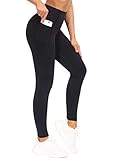


The trade-off: it is the most expensive of the budget-friendly options, and a 170 gsm knit runs warm in a hot yoga room or a poorly ventilated cardio floor. Per the manufacturers’ fabric spec sheets, most of these blends are 88/12 or 85/15 polyester/elastane — if a listing says “polyester blend” without a percentage, assume the worst.
Best budget: store-brand polyester basics
Own-label athletic lines from retailers such as Decathlon (Domyos) and Uniqlo (AIRism) routinely hit $8–20 per piece on Black Friday, and at 130–150 gsm with a 100% polyester or lightly elastane knit they do the core job: they move sweat and dry fast. For a beginner doing one or two sessions a week, four pieces at this price beat one premium piece.
The trade-off is durability and cut consistency. Thin knits under 130 gsm go translucent when stretched, cheap overlock seams sit proud and rub, and the same nominal size can shift between restocks. Buy these for volume, not for the pair you wear twice a week for two years.
Best for lifting: 200–240 gsm cotton-poly blend tee
Strength training produces less sweat per minute than cardio, and lifters generally want a fabric that holds its shape under a bar and doesn’t slide across the back during a bench press. A 60/40 cotton-poly at 200–240 gsm gives that structure while the polyester content keeps it from becoming a wet towel. Brands with long-running heavyweight training lines discount these heavily in late November.
The trade-off: cotton holds moisture inside the fiber, so a 220 gsm cotton-heavy tee can gain 20–30% of its dry weight in sweat and still feel damp 30 minutes after you finish. It is a poor choice for hot classes, long cardio, or anyone who sweats heavily.
Best for running and high-sweat cardio: 110–140 gsm polyester mesh
For running, the priorities invert: light weight, fast drying and ventilation beat structure. A 110–140 gsm polyester knit, often with mesh panels at the back and underarms, typically feels dry in 10–15 minutes in still air where a comparable cotton tee takes half an hour or more. Look for 100% polyester or polyester with around 5% elastane, plus bonded or laser-cut hems that don’t rub.
The trade-off: these fabrics are thin, and thin knits pill and snag faster. They also show sweat patches more readily on dark colors, and they are unforgiving on fit — a loose mesh shirt flaps, a tight one rides up.
Best for yoga and mobility: 220–260 gsm nylon/elastane leggings
Yoga and mobility work need opacity, recovery and a knit that moves in every direction. The reliable spec is 220–260 gsm nylon/elastane at roughly 78/22 to 80/20, which stretches without going see-through in a deep squat and returns to shape instead of bagging at the knee. This is the category where Black Friday cuts are deepest in absolute dollars — a $95–120 pair frequently lands at $45–70.
The trade-off: high elastane content is the first thing to fatigue. Nylon/elastane knits lose recovery faster than polyester, they snag on Velcro and textured mats, and they must be air-dried. Buy one good pair rather than three cheap ones in this category.
Best for cold-weather outdoor sessions: merino-blend base layers
For winter running and outdoor bootcamps, a merino blend at 17.5–19 micron and 150–200 gsm gives warmth without the clammy feel of synthetics, and merino’s well-documented odor resistance means you can wear it two or three times between washes. Brands such as Smartwool, Icebreaker and Darn Tough build their base layers to these numbers, and end-of-season discounts of 30–40% are common in late November.
The trade-off: price per gram is the highest here, drying is slower than polyester, and merino abrades and develops holes faster under pack straps or barbell knurling. It is a specialist purchase, not a general gym set.
How to choose: the numbers that separate a deal from a dud
Fabric composition
Read the percentage, not the marketing name. Polyester wicks and dries fast but holds odor; nylon is softer and more abrasion-resistant but dries slower; cotton absorbs and stays wet; elastane provides stretch and is the first fiber to fail. A blend of 85–90% polyester or nylon with 10–20% elastane is the sweet spot for training apparel.
Fabric weight in gsm
Grams per square meter is the single most useful number in a listing. Under 130 gsm is running and hot-weather territory; 140–180 gsm is the general-training middle; 200–260 gsm is lifting, yoga and leggings. If a listing gives no weight, a rough proxy is opacity: hold the fabric up to light in a store, or check whether the product photos show visible hand-through-fabric.
Stretch percentage
Below 5% elastane is a woven with mechanical stretch only — fine for shorts, tight for leggings. 10–18% is the four-way-stretch range for training tops and shorts. 20–25% is leggings and mobility wear. Anything above 25% usually means a very soft, very short-lived garment.
Sweat management
Wicking matters less than drying speed for most people. A 140 gsm polyester knit dries in roughly 10–15 minutes of still air; a 180 gsm cotton tee can still feel damp after 30. If you sweat heavily, prioritize lower gsm and mesh panels over compression. Persistent skin irritation from seams or friction is worth raising with a healthcare professional rather than treating with a new shirt.
Durability markers
Check four things: flatlock rather than overlocked seams, a gusset in shorts and leggings, side panels that are stitched rather than glued, and printed graphics rather than heat-transfer vinyl, which peels first. Per typical fabric-supplier guidance, elastane begins losing recovery after roughly 40–60 hot-water wash cycles; cold washing and air drying can push a garment past 100 cycles.
Fit and sizing consistency
Brands do not share size charts, and the same nominal “medium” can vary by 5 cm (2 in) in chest and up to 7 cm (3 in) in waist between labels. Measure a garment you already own and like, then compare it to the brand’s garment measurement chart, not its body chart. On Black Friday, the return window matters more than the discount — check whether the sale falls under an extended holiday return period or is final sale.
Decision matrix: match the fabric to your training
| Your situation | Target spec | Avoid |
|---|---|---|
| Beginner, 1–2 sessions a week, tight budget | Two 130–150 gsm polyester tees + one 7″ knit short, under $60 total | Buying five pieces of one cheap line before you know your size |
| Lifting 3–4x a week | 200–240 gsm 60/40 tee, 4-way stretch shorts with gusset | 100% cotton heavyweight tees; loose unlined shorts |
| Running 5K–half marathon | 110–140 gsm polyester mesh, 5% elastane max | Cotton, heavy compression layers, high-elastane leggings |
| Yoga or hot yoga 2–3x a week | 220–260 gsm nylon/elastane, 20%+ elastane | Cheap polyester leggings — they pill and go shiny |
| HIIT / CrossFit-style classes | Woven 4-way stretch shorts, poly/elastane tee | Knit shorts that ride up; anything with heat-transfer logos |
| Winter outdoor training | Merino blend 17.5–19 micron, 150–200 gsm | Cotton base layers, which stay wet and cold |
What wears out first, and what it costs per wear
Elastane goes first, then seams, then prints. The order is predictable: stretch recovery fades around wash 50–70, crotch and underarm seams blow out next, and heat-transfer graphics crack before the fabric itself dies.
Run the arithmetic before you buy. A $90 pair of leggings at 40% off costs $54; worn twice a week for two years that is roughly 208 wears, or about $0.26 per wear. An $18 pair that pills and loses opacity after eight weeks is about 16 wears, or $1.13 per wear — six times the cost, and it looks worse the whole time. The same math favors a $36 discounted training tee at about $0.23 per wear over a year of three weekly sessions.
To protect that investment: wash cold, skip fabric softener and dryer sheets (both coat the fibers and kill wicking), turn garments inside out, and air dry. Never wash elastane-heavy pieces with towels or anything with Velcro.
Frequently Asked Questions
Is 100% cotton ever a good gym purchase?
For low-sweat strength sessions and gym-to-street wear, yes — a 200–240 gsm cotton or cotton-poly tee holds its shape well and looks better outside the gym. For cardio, hot classes or anyone who sweats heavily, no. Cotton absorbs moisture into the fiber and dries slowly, so it stays heavy and damp long after the session ends.
How much should I actually expect to save on Black Friday?
Thirty to fifty percent off list price is the realistic band for training apparel, with the deepest cuts in the yoga-legging and merino categories and the shallowest on core basics that sell year-round. Discounts above 60% usually mean end-of-line colors, discontinued fits or final-sale terms. A 40% discount on a garment you’ll wear 150 times is worth more than a 70% discount on one you’ll wear twice.
Do I need compression gear?
Compression garments are a fit preference more than a requirement for most recreational training. What matters is that the fabric doesn’t bunch, twist or restrict range of motion. If you like the feel, choose a graduated knit with 15–20% elastane and check that you can still breathe and squat fully in it. If you have circulatory concerns, speak to a healthcare professional rather than choosing a garment.
How do I check sizing consistency without trying anything on?
Measure a garment you already own across the chest, waist and inseam, then compare those numbers to the brand’s flat-lay garment measurements rather than its body-size chart. Cross-check at least one review source that mentions whether the item runs small or large. Where a brand’s chart is missing entirely, treat that as a signal about how the rest of the product is documented.
How many sets do I really need?
Three training tops and two bottoms cover four to five sessions a week if you wash mid-week. Most people over-buy on Black Friday because the per-piece price is low, then find that half the haul fits badly. Buy two pieces from a brand you know fits, then expand once you’ve worn them through a full wash cycle.
What’s the biggest mistake shoppers make on gym clothes deals?
Buying on percentage off instead of fabric spec. A 70%-off 100% cotton tee or a sub-10%-elastane legging is a false economy — it will be damp, stretched or transparent within weeks. The reliable filter is simple: composition percentages, gsm weight, seam type, and a return window you can actually use.

0 Comments